Hemp Seed Nutrition Explained: The 3:1 Omega Ratio and Complete Plant Protein
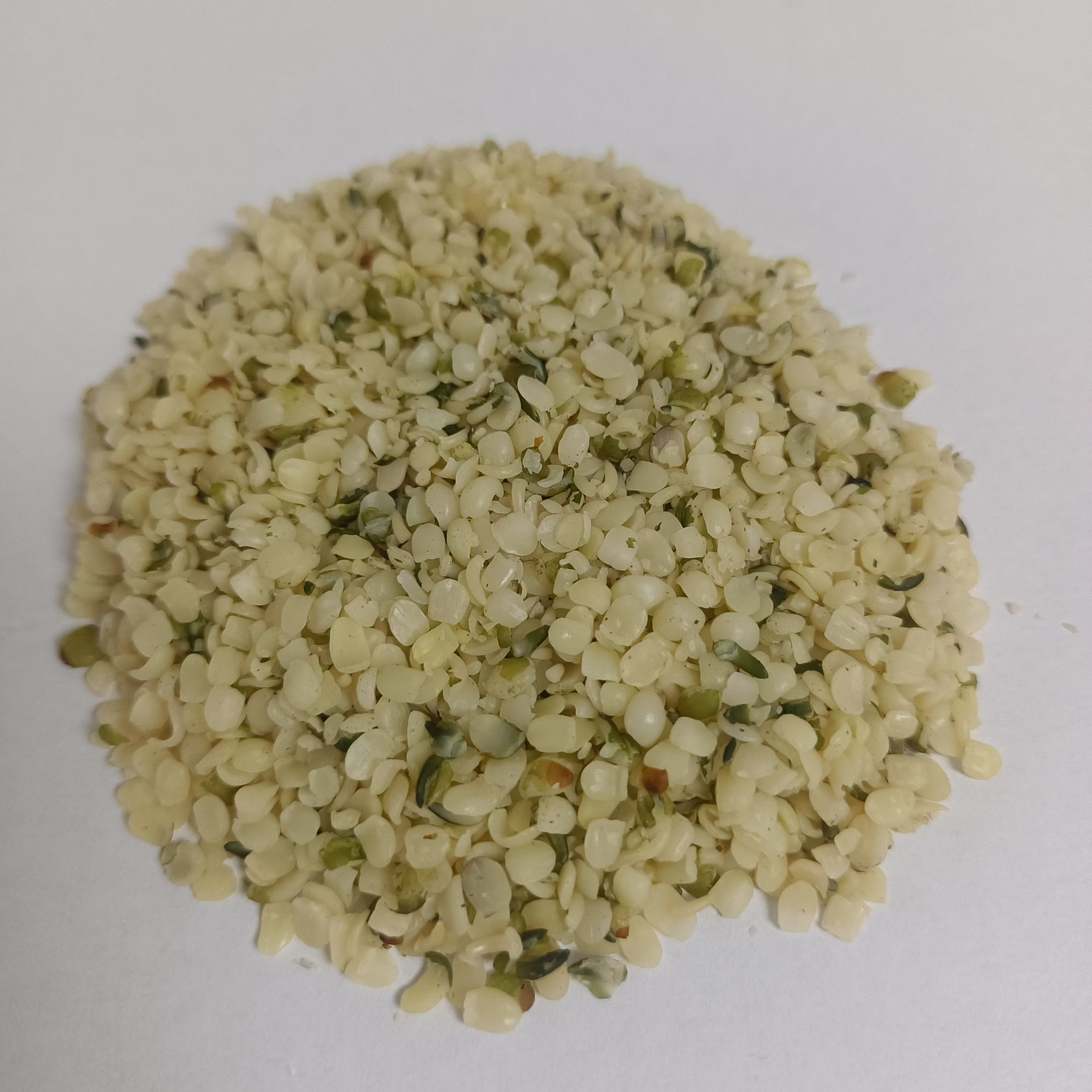
Organic hemp seed kernels — one of the physical forms whose nutritional attributes this explainer compares.
Hemp seed usually enters a sourcing conversation attached to a single word: superfood. That word does not survive contact with a specification sheet. For a food buyer or a brand team, the useful question is not whether hemp seed is a superfood, but which nutritional attributes are documented, at what level, in which physical form, and under which certification.
This explainer separates the four claims that most hemp seed positioning rests on: complete plant protein covering all nine essential amino acids, a 3:1 ratio of omega-6 to omega-3 essential fatty acids, high dietary fiber, and a gluten-free, vegan, non-GMO, additive-free profile. For each claim it sets out what the attribute establishes, what it leaves open, and how it behaves once the seed becomes a sprinkle, a baked good, a smoothie addition, a cereal inclusion or a salad topping. It then maps those attributes onto the forms buyers are actually asked to choose between — whole seed, hulled seed, kernel, and 70% and 75% protein powder — so the category makes sense before any purchase order exists.
Why Superfood Is Not a Specification
A nutrition claim can be accurate at the level of the material and still be unusable at the level of a purchase specification. The gap opens in three predictable places.
The first is attribute versus level. Saying a seed contains omega-3 fatty acids does not say how much, in what ratio to omega-6, or how much total fat comes with it. Saying it is high in fiber does not give a measured fiber value per 100 g. The second is form. A claim written for whole hemp seed does not automatically transfer to a milled powder with the hull removed, because the physical structure that carries fiber and lipid has changed. The third is certification scope. A certificate held by a processing company is not the same document as a lot-level organic transaction certificate, and buyers rely on the second when the goods cross a border.
For a brand team in the awareness stage, this is the useful shift: hemp seed is not a single nutritional proposition but a family of propositions that differ by form and by evidence. The rest of this article works through them one at a time.
The Category Context: Where Organic Hemp Seed Sits in Food Supply
European hemp supply has been expanding. European Commission figures show the EU hemp cultivation area rose to 37,740 hectares in 2024 from 28,830 hectares in 2023 — a substantial recovery in a single season. More cultivated area, however, does not automatically mean more organic, food-grade, contract-ready material, because organic status and food-grade processing are separate gates that a field does not pass on its own.
The regulatory gate tightened at the start of 2025. Regulation (EU) 2018/848 has applied since 1 January 2022, and from 1 January 2025 third-country imports must comply fully with EU organic standards rather than operating under the earlier equivalence arrangements. In practice this means the phrase EU organic on a hemp lot is a compliance statement with a documentary trail behind it, not a positioning adjective. Buyers importing into the EU should treat the organic certificate and the accompanying transaction certificate as part of the specification itself.
Customs classification is a smaller but practical piece of the same picture. Hemp seeds, whether or not broken, excluding seed for sowing, sit under commodity code 12079991 in the EU and UK tariff schedules — a detail that matters to importers building a landed-cost model.
The protein side of the category is also moving. Grand View Research and Mordor Intelligence data place the global hemp protein powder market at USD 217.3 million in 2025, with the organic segment projected at a 5.98% compound annual growth rate through 2031. Hemp seed oil, a separate product form built from the same raw material, was valued at USD 3.26 billion globally in 2025 by Fortune Business Insights, with Europe holding a 33.91% share. Those figures describe category scale and direction; they say nothing about the nutritional quality of any individual lot, which is what the specification has to establish.
Complete Plant Protein: What All Nine Essential Amino Acids Actually Establishes
Protein is called complete when it supplies all nine amino acids the human body cannot synthesise in sufficient quantity on its own: histidine, isoleucine, leucine, lysine, methionine, phenylalanine, threonine, tryptophan and valine. Hemp seed is described in the product specification as a complete plant-based protein containing all nine essential amino acids, and that description is applied across the Organic Hemp Seed, Organic Hemp Seed Hulled, Organic Hemp Seeds Kernel and the 70% and 75% protein powder models.
What completeness establishes is coverage. A formulator working with a plant protein usually has to ask whether the amino acid profile is complete or whether a complementary protein is needed to fill a gap. For hemp seed, the specification answers that question in the affirmative. What completeness does not establish is quantity, digestibility or the delivered amount in a finished product, and each of those is a separate conversation.
Quantity first. Whole, hulled and kernel hemp seed deliver protein inside a whole-food matrix that also carries lipid and fiber. The protein powder models are the concentrated form: both Organic Hemp Seed Protein Powder 70% and Organic Hemp Seed Protein Powder 75% are specified at a protein content of 70% to 75%. That is a large step up from the seed forms, and it changes the arithmetic of formulation more than it changes the nutritional story.
Digestibility second. Amino acid coverage and protein digestibility are different measurements. If a brand intends to make a quantified protein claim on pack, the number that matters is grams of protein per 100 g of the finished food, plus whatever digestibility data the relevant market expects. The specification supplied here establishes amino acid coverage and protein percentage; it does not publish a digestibility score, so a buyer who needs one should request it rather than infer it.
Delivered amount third. A 70% protein powder and a 75% protein powder both sit inside a 70%–75% band. The five-point difference looks small on a specification sheet, but it is a real difference in how much powder is required to reach a target protein level in a bar, a drink mix or a bakery inclusion. That difference is a formulation calculation for the buyer's own recipe, not a claim about which grade is better.
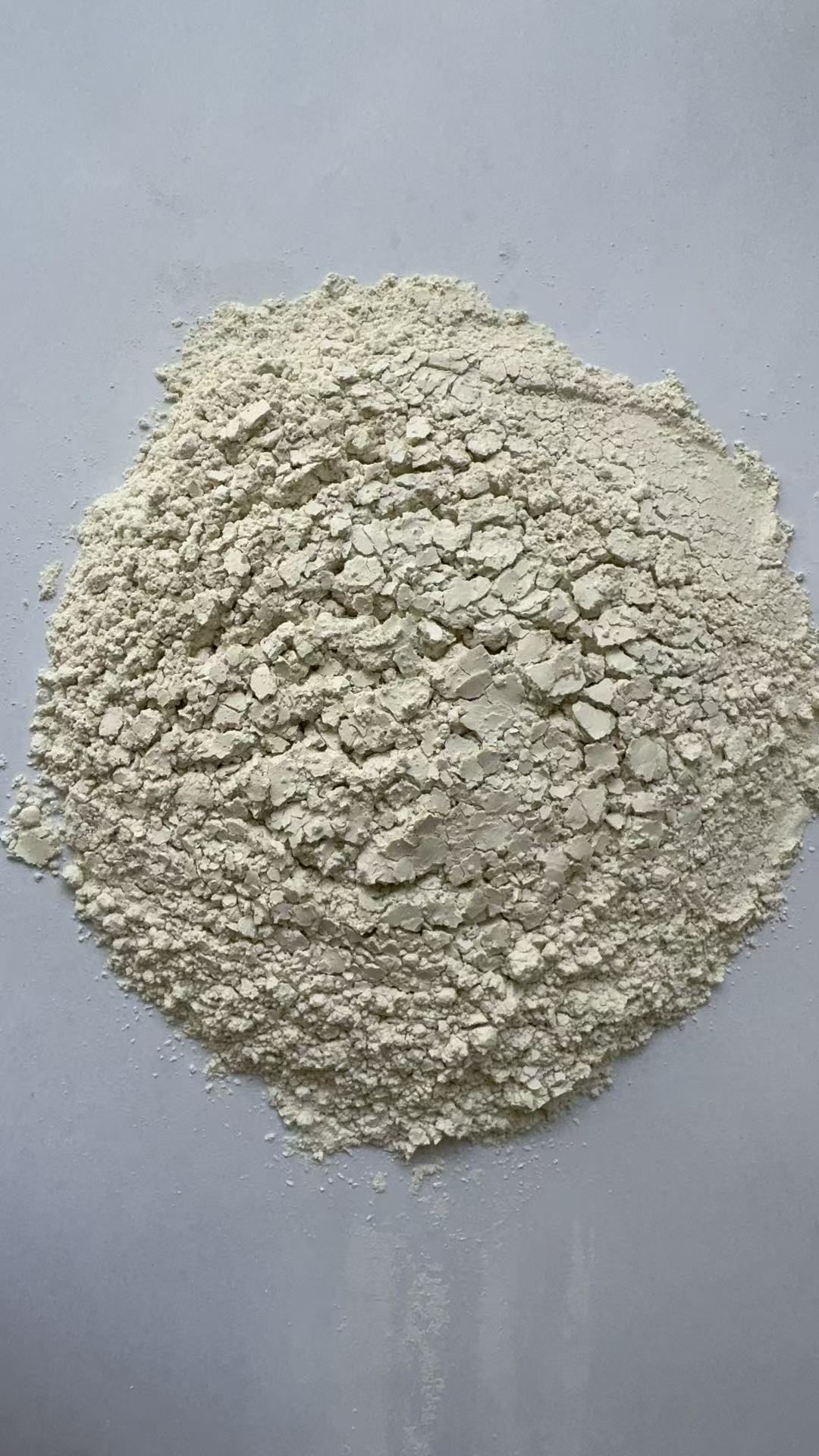
Organic Hemp Seed Protein Powder 70% — the concentrated end of the hemp seed protein range, specified at 70%–75% protein.
The 3:1 Omega-6 to Omega-3 Ratio: What the Number Does and Does Not Tell You
The hemp seed specification states a 3:1 ratio of omega-6 to omega-3 essential fatty acids. Both are essential, meaning the body cannot produce them and must obtain them from food. The ratio describes proportion: for every three parts of omega-6, the material carries one part of omega-3.
A ratio is a relationship, not an absolute. Two materials can both be described as 3:1 while carrying very different total fat contents, and the ratio alone will not tell a formulator how much fat a given inclusion level adds to a recipe. Buyers comparing hemp seed against another oilseed should therefore request the fat content per 100 g alongside the ratio, because the ratio answers the balance question and the fat figure answers the formulation question.
It is also worth being precise about what a ratio does not do. A 3:1 ratio is a composition descriptor used to characterise the lipid profile of an ingredient. It is not a therapeutic claim, and it should not be presented to consumers as one without the market-specific substantiation that any health claim requires.
Handling is the practical corollary. Hemp seed carries its lipid in a polyunsaturated-rich oil, and polyunsaturated fats are the fraction most responsive to heat, oxygen and light during storage and processing. The application data for hemp seed processing specifies a normal ambient temperature and a dry, clean storage and processing environment, which addresses the moisture and hygiene side of stability. Milling and powder production expose more surface area than intact seed does, so buyers running a long production cycle or a warm process should confirm the handling and shelf-life expectations for the specific form at trial stage rather than assuming the seed form and the powder form behave identically.
Dietary Fiber: Digestion, Satiety and the Formulation Consequences
The hemp seed specification describes high dietary fiber content, with both soluble and insoluble dietary fiber present. The application data attributes a set of functions to that fiber: it promotes intestinal peristalsis, supports digestive health, increases satiety and assists healthy weight management.
For a food developer, the fiber attribute matters in two directions at once. Nutritionally, it is the attribute that lets hemp seed support a fiber claim and a satiety-led positioning rather than only a protein story — useful for a brand that does not want its only claim to be protein. Technically, fiber is not inert in a recipe: it holds water, contributes bulk and changes texture, which is why a form change alters the behavior of the ingredient even when the nutritional description reads the same.
Two cautions belong beside this claim. First, high is a comparative word that needs a measured value. No fiber figure per 100 g is published in the specification supplied here, so a buyer who needs the number for a nutrition panel or a nutrient content claim should request the measured fiber value on the certificate of analysis for the specific SKU. Second, the digestive and satiety language describes the function of the fiber component as characterised in the product's application data. The final on-pack wording is a matter for the brand owner under the labelling rules of the market where the product is sold, and the ingredient specification does not replace that review.
The Clean-Label Stack: Gluten-Free, Vegan, Non-GMO, Additive-Free and Certified Organic
Hemp seed carries an unusually complete clean-label profile for a single ingredient. The specification describes the material as gluten-free, vegan, non-GMO and free from additives, fillers and artificial preservatives, and as certified organic and free from pesticide and herbicide residues, compliant with EU organic standards. It is also described as kosher and halal friendly, and the supplying company holds Kosher and Halal certification alongside EU Organic, USDA Organic and BRC.
This stack is what makes hemp seed efficient for a formulator with several label constraints to satisfy at once. A single inclusion can support gluten-free positioning, plant-based positioning, a non-GMO statement and an organic claim without a stack of separate ingredients, which is often the real reason a product developer shortlists the category in the first place.
The stack is also where certification scope deserves the closest reading. Three different things sit under the word certified, and they do not carry equal weight in a compliance file:
- Scheme certification held by the processor. EU Organic, USDA Organic, BRC, Kosher and Halal are held at company level, and the workshops operate to GMP standards with processing steps aligned to BRC requirements. This tells a buyer that the site is audited and the management system exists.
- Organic status of the specific lot. For an EU import under Regulation (EU) 2018/848, the lot needs its own organic documentation and transaction certificate. The processor certificate supports this; it does not replace it.
- Finished-product claims. Organic percentage, gluten-free thresholds and non-GMO statements are calculated on the finished recipe, not on the ingredient alone, so they belong to the brand owner's specification work.
Read together, the profile supports a clean-label positioning credibly. Read loosely, it invites a buyer to treat a company certificate as a product certificate. The first reading is the one that survives an audit.

A processing workshop at Senqi Food, where hemp seed is handled under GMP-standard procedures.
Form Follows Function: Hulled Seed, Kernel and 70%/75% Protein Powder
The same nutritional description is attached to several physical forms, and the choice between them is a formulation decision rather than a nutritional hierarchy. In trade usage the hulled seed is the inner portion of the seed with the hull removed, often sold as hemp hearts, and the kernel designation refers to that inner seed portion as well; Senqi Food lists both as distinct model designations, so the exact specification should be confirmed SKU by SKU rather than assumed from the name.
| Form (model designation) | What it is | Protein in the specification | Where it fits |
|---|---|---|---|
| Organic Hemp seed | Whole seed, intended for the food industry | Complete plant protein with all 9 essential amino acids; no percentage published for the whole-seed form | Applications where visible seed texture and the intact matrix matter |
| Organic Hemp seed Hulled | Hull removed; commonly traded as hemp hearts | Complete plant protein with all 9 essential amino acids; no percentage published | Sprinkles, toppings, cereal inclusions where a softer particle is wanted |
| Organic Hemp Seeds Kernel | Inner seed portion, listed as a separate model | Complete plant protein with all 9 essential amino acids; no percentage published | Baking inclusions, salad toppings, blended applications |
| Organic Hemp Seed Protein Powder 70% | Milled, concentrated protein form | 70%–75% protein content; complete plant protein with all 9 essential amino acids | Protein-led recipes where the powder is the protein carrier |
| Organic Hemp Seed Protein Powder 75% | Milled, concentrated protein form at the upper grade | 70%–75% protein content; complete plant protein with all 9 essential amino acids | Formulations targeting a higher protein level per unit of powder |
Two points in that table carry more weight than they appear to. First, the seed forms are described with the same essential-fatty-acid and fiber attributes as each other, which means the seed forms are not ranked by nutrition in the specification — they differ in particle, texture and how much of the original structure is retained. A buyer who needs the highest fiber figure per gram should ask for measured values by SKU rather than assume the number carries across forms, because removing the hull removes material that contributes fiber.
Second, the two powder grades are not a good-better pair. Both are specified in the same 70%–75% band, both are described as complete plant protein with all nine essential amino acids, and both carry the same gluten-free, vegan, non-GMO, additive-free and organic-compliant profile. The grade a formulator selects should follow from the protein target in the finished recipe and from how much powder that recipe can tolerate, not from an assumption that the higher number is the better ingredient.
From Claim to Format: Five Applications and What Each One Needs
The attributes only become useful when they are read against a specific food format. The specification lists five application scenarios for these products — sprinkles, baking, smoothies, cereals and salad toppings — and each one stresses a different part of the nutritional profile.
| Format | What the format demands | Form that usually fits | Attribute doing the work |
|---|---|---|---|
| Sprinkles | Free-flowing particles, even distribution, no clumping in the pack | Hulled seed or kernel | Protein and fiber carried in a visible particle |
| Baking | Survives mixing and heat; contributes structure or protein without breaking the recipe | Protein powder for protein enrichment; kernel for texture | 70%–75% protein in the powder; complete amino acid profile in both |
| Smoothies | Disperses into liquid; adds protein without gritty separation | Protein powder; hulled seed for body | Complete protein plus the 3:1 omega profile |
| Cereals | Stable inclusion that survives packing and shelf life | Hulled seed or kernel | Fiber and protein in a discrete piece |
| Salad toppings | Texture contrast, ambient stability, clean label | Whole seed, hulled seed or kernel | Fiber, omega profile, gluten-free and vegan positioning |
The pattern behind the table is that the seed forms carry the visual and textural proposition while the powder carries the protein concentration proposition. A sprinkle or a salad topping is bought partly for what the consumer can see, so a whole or hulled particle does work that a powder cannot. A protein-led smoothie or a high-protein baked good is bought for the number on the panel, so the powder does work that a seed cannot. Brands that try to serve both needs with one SKU usually end up with a compromise in one direction or the other.
Two format-specific notes are worth carrying into a trial. In baking, the lipid fraction is exposed to heat, and the same polyunsaturated profile that gives hemp seed its 3:1 ratio is the fraction most sensitive to oxidation — a reason to confirm process tolerance with the actual recipe rather than assume the seed form and the powder behave the same in an oven. In smoothies, the powder's dispersion behaviour and any sedimentation in the finished drink are recipe questions that a specification sheet cannot answer, but a sample trial can.
What Holds These Attributes Together in Processing
Nutritional attributes survive processing or they do not, and the processing line is where a claim either stays intact or quietly degrades. The application data for this product specifies a normal ambient temperature with a dry, clean storage and processing environment, and lists the matched equipment as colour sorting machinery, a metal detector, and screening and milling equipment.
Each piece has a purpose that maps to a buyer concern. Colour sorting removes defective and off-colour material before it reaches the food chain, which protects the visual quality that sprinkle and topping applications depend on. Metal detection is a foreign-body control point, the kind of check a BRC-audited site is expected to run and document. Screening and milling are the steps that turn whole seed into kernel and powder fractions, and they are also the steps where the physical structure — and therefore the fiber and lipid exposure — changes.
The company behind these specifications, Ningxia Senqi Food Industry Co., Ltd, is a Ningxia-based processor established in 2020 that operates two factories and two planting farms, with an 8,000 square metre manufacturing facility and an annual production capacity of 2,000 metric tons. The company employs approximately 25 staff with a one-engineer R&D team, holds EU Organic, USDA Organic, BRC, Kosher and Halal certification, and exports to more than 20 countries including the United States, Canada, the Netherlands, Germany, Italy and Japan, with export business accounting for 90% of total sales and the EU and USA as major markets.
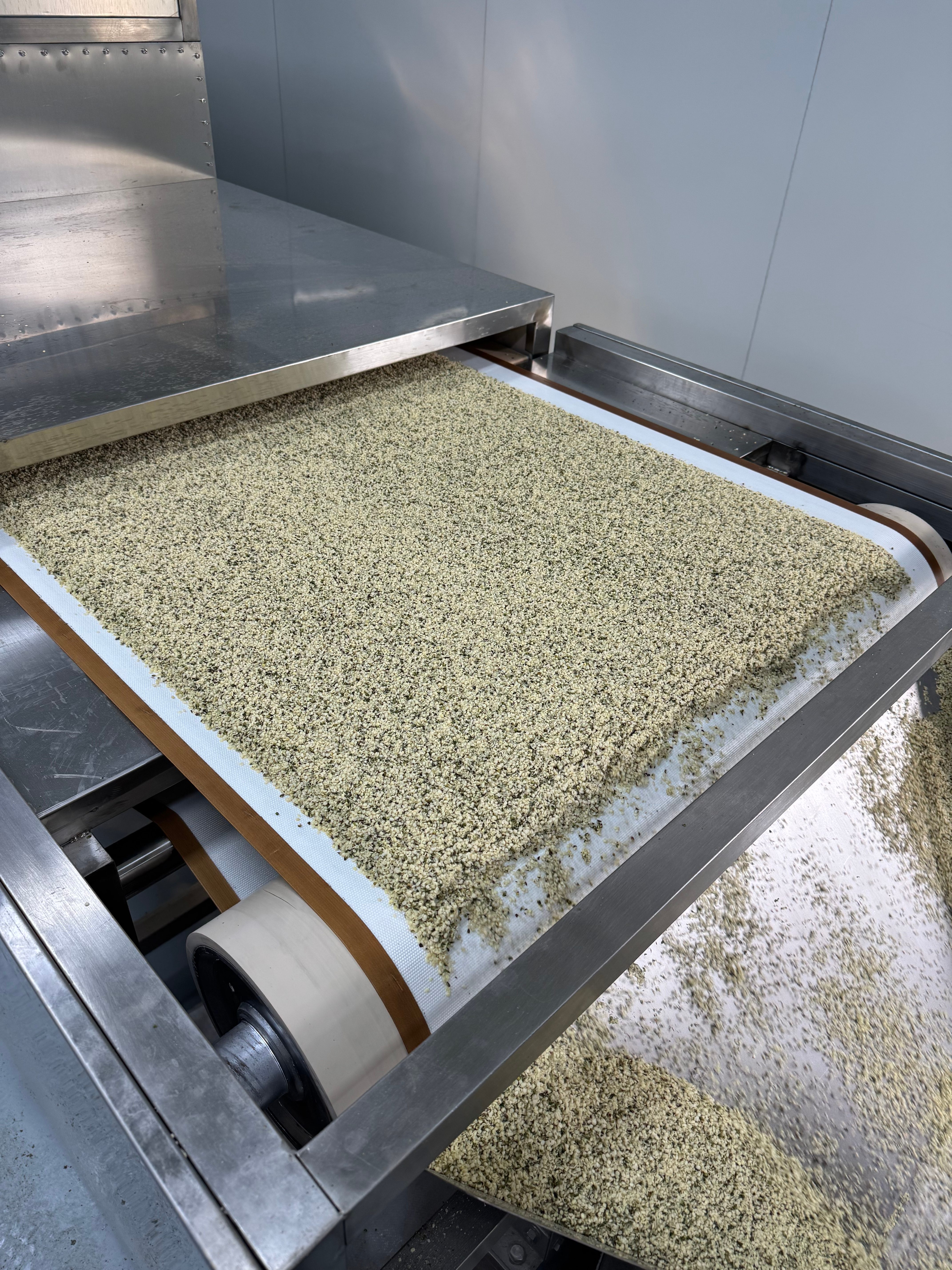
Hemp seed in production, where sorting, detection and screening steps protect the attributes described on the specification.
A Buyer Checklist Before Committing to a Specification
The claims are straightforward once they are broken down. What remains is verification, and eight checks cover most of the ground a buyer needs at the research stage.
- Name the form, not just the ingredient. Whole seed, hulled seed, kernel, 70% powder and 75% powder behave differently in a recipe. Confirm the model designation in writing.
- Request the certificate of analysis for the specific SKU. Protein percentage, fat content, measured fiber value and moisture belong on the lot document, not only on a brochure.
- Separate the ratio from the fat content. Ask for both. The 3:1 ratio answers the balance question; only the fat figure answers the formulation question.
- Match certification to scope. Confirm which certificates belong to the processing site and which documents travel with the organic lot, especially for EU imports under Regulation (EU) 2018/848.
- Define the finished-product claim before choosing the grade. Work back from the protein or fiber number the panel needs, then select between the seed forms and the two powder grades.
- Test the format, not just the ingredient. Dispersion in a smoothie, tolerance in a bake and stability in a cereal are recipe outcomes that need a trial.
- Confirm storage and handling expectations in writing. Ambient, dry and clean is the stated condition; the buyer's own warehouse and process should be checked against it.
- Ask for the delivery schedule for your volume. Capacity and continuity are separate questions from nutrition, and both belong in the same sourcing decision.
Frequently Asked Questions
Is organic hemp seed sold into the EU required to meet EU organic rules?
Yes. Regulation (EU) 2018/848 has applied since 1 January 2022, and from 1 January 2025 third-country imports must comply fully with EU organic standards rather than relying on the earlier equivalence route. For a buyer this means the organic certificate of the processor is necessary but not sufficient: the lot also needs its own organic documentation and transaction certificate. Senqi Food holds EU Organic, USDA Organic, BRC, Kosher and Halal certification, and its hemp seed products are described as certified organic, pesticide and herbicide free, and compliant with EU organic standards.
Does hemp seed protein powder contain all nine essential amino acids?
The specification describes both Organic Hemp Seed Protein Powder 70% and Organic Hemp Seed Protein Powder 75% as complete plant-based protein containing all nine essential amino acids, with a protein content of 70% to 75%. The same amino acid coverage is described for the whole seed, hulled seed and kernel forms. Completeness describes amino acid coverage, not digestibility or the delivered protein level in a finished food, so a brand making a quantified protein claim should work from the gram-per-100 g figure in its own recipe.
How should a buyer compare value across hulled seed, kernel and protein powder?
Compare on delivered nutrition per unit rather than on price per kilogram alone. The protein powder models are specified at 70%–75% protein, so a kilogram of powder carries a far higher protein mass than a kilogram of whole or hulled seed, which delivers protein alongside lipid and fiber in a whole-food matrix. Whether that concentration is worth the difference depends on the protein target in the finished product and on how much powder the recipe can absorb. The practical approach is to request a quotation against each specific model and volume, then calculate the cost per unit of delivered protein for your own formulation.
What should a sample request include?
A sample request moves faster when it states the model designation, the intended application format, the protein or fiber target in the finished product, the certifications the market requires, the expected order volume and any packaging requirement. Those five or six lines let a supplier send material that can actually be tested in the buyer's own recipe rather than a generic lot. Requests can be sent to info@generalseeds.cn or by WhatsApp on +86 152-2627-7687.
How is supply continuity handled for organic hemp seed orders?
Continuity rests on capacity and on where the raw material comes from. Senqi Food operates two factories and two planting farms, runs an order-farming system for its supply chain, and reports an annual production capacity of 2,000 metric tons, with export business accounting for 90% of total sales across more than 20 countries. Those figures describe capability and orientation, not a guaranteed delivery date for a specific order; buyers should confirm the schedule for their own volume and specification when requesting a quotation.
Conclusion: What the Claims Actually Rest On
Hemp seed earns its reputation on four documented attributes: complete plant protein covering all nine essential amino acids, a 3:1 ratio of omega-6 to omega-3 essential fatty acids, high dietary fiber supporting digestion and long-lasting satiety, and a gluten-free, vegan, non-GMO, additive-free profile backed by organic certification. None of those attributes is a marketing invention. Each one, however, becomes a usable purchasing decision only when it is tied to a form, a measured value and a certificate.
The clearest way to read the category is to match the form to the job. Whole seed, hulled seed and kernel carry the visible texture and the whole-food matrix that sprinkles, cereals and salad toppings depend on. The 70% and 75% protein powders carry concentration, which is what a protein-led smoothie or baked good is actually buying. Both ends of the range share the same clean-label and organic foundation, so the choice between them is about formulation arithmetic rather than nutritional quality.
For buyers who want the full product and company detail in one place, the Senqi Food product brochure is available for download, and specifications, certificates and samples for Ningxia Senqi Food Industry Co., Ltd can be requested directly from the contact details above.
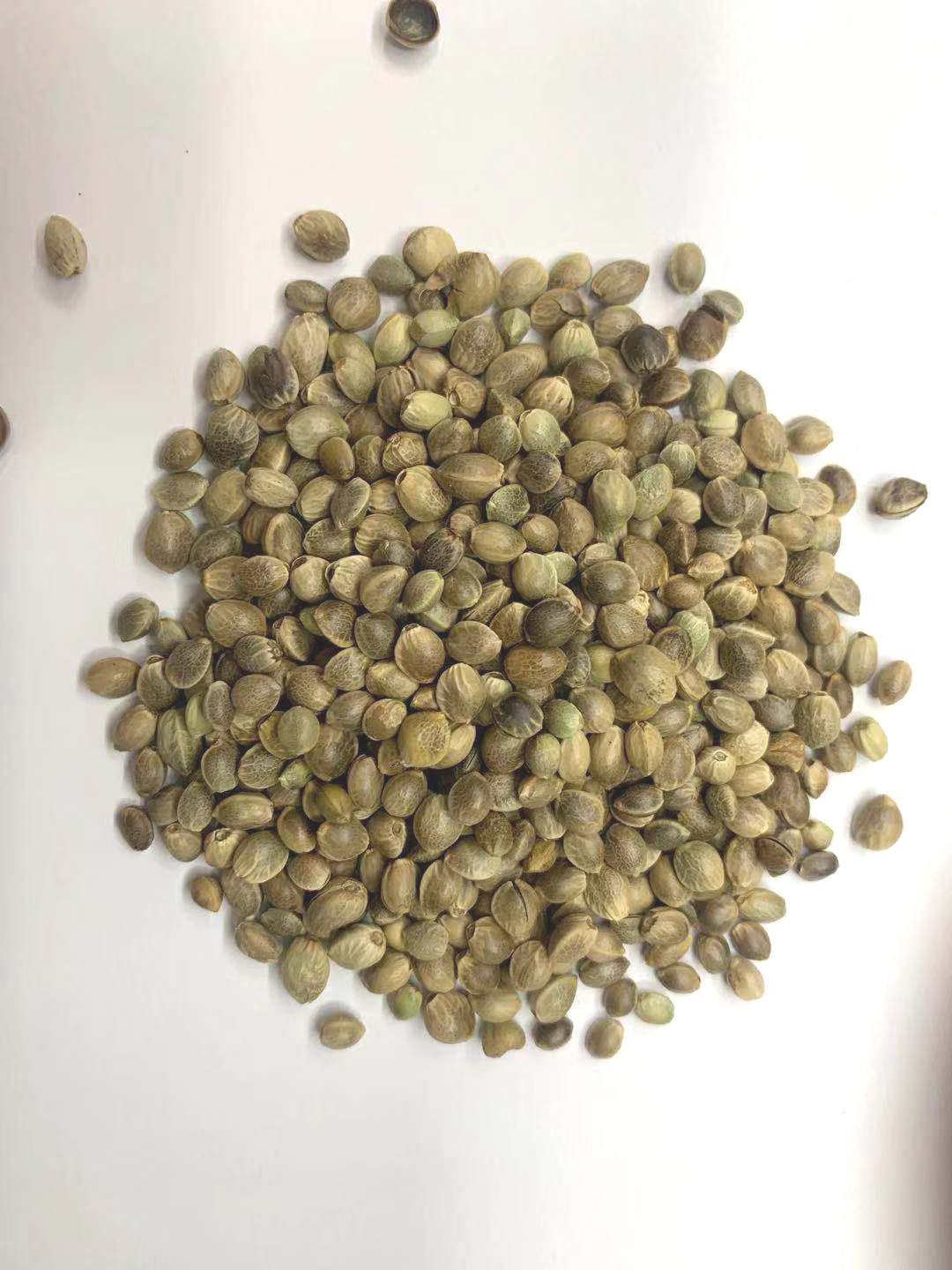
Organic hemp seed ready for specification review — request a sample, certificate of analysis or quotation for the form your recipe needs.
Have Questions or Need More Details?
Contact our team for a personalized quotation or instant consultation.
Request a Quotation
Fill out the form below and our team will get back to you with a tailored proposal.
WhatsApp Direct Chat
Prefer to chat in real-time? Message us on WhatsApp for instant assistance & quick answers.
- Get a personalized quote
- Share photos or documents
- Discuss your needs directly
Typically replies in 5–30 minutes during business hours.