Hemp Seed Long-Term Partnership FAQ: Purchasing Terms, Acceptance Criteria and After-Sales Support
A long-term hemp seed partnership is not a price agreement. It is a set of four documented commitments — purchasing terms, acceptance criteria, certification documentation and after-sales support — that must remain stable across every shipment for several years. Senqi Food (Ningxia Senqi Food Industry Co., Ltd.) is a hemp seed manufacturer based in Zhongning County, Ningxia, China, operating two factories and two planting farms, with 2,000 metric tons of annual output and 90% of its production exported to more than 20 countries.
This FAQ answers, question by question, how a food buyer or EU distributor can structure a long-term hemp seed partnership with Senqi Food: what goes into the agreement, how acceptance criteria are written, which certificates are issued, how samples and trial orders work, and what after-sales support looks like once the contract is running.
Short answer: A workable long-term hemp seed partnership fixes five things in writing — the product format and specification, the acceptance criteria and test method, the certification package supplied per lot, the ordering mechanics (MOQ, lead time, packaging), and the named after-sales contact. Senqi Food documents all five: an MOQ of 500 kg, a lead time of 10–20 days, third-party laboratory quality control, EU Organic, USDA Organic, BRC, Kosher and Halal certification, and remote after-sales support.
Why Long-Term Hemp Seed Partnerships Fail After the First Year
Most hemp seed supply relationships do not fail at the first order. They fail at the second or third, when the buyer assumes continuity and the supplier assumes tolerance. Four failure patterns repeat across food manufacturing and distribution projects:
- Specification drift between lots. A buyer approves a sample, then receives subsequent lots that differ in colour, moisture behaviour or protein level because no measurable acceptance criteria were written into the agreement.
- Documentation gaps. Organic status is confirmed verbally at quotation stage, but the certificate set required for customs clearance and retail compliance is not defined per shipment.
- Undefined responsibility at the edges. Packaging format, labelling, storage conditions and the point at which risk transfers are left to email threads rather than the contract.
- No named support channel. When a lot needs clarification, there is no identified person or process to resolve it, so response time depends on who happens to answer.
The practical consequence is that buyers rebuild the relationship every quarter instead of building volume, forecasting accuracy and brand consistency. A long-term hemp seed agreement exists to remove that repetition.
What Has Changed in the EU Hemp Seed Market
Two structural changes make written partnership terms more important than they were a few years ago: EU organic enforcement, and the scale of European hemp supply and demand.
On the regulatory side, Regulation (EU) 2018/848 has applied since 1 January 2022, and its import regime has been fully enforced for third-country suppliers from 1 January 2025. In practice, an organic hemp seed, organic hulled hemp seed or organic hemp hearts lot entering the EU now needs to be backed by documentation that matches the regulation, not by an equivalence arrangement. For a buyer signing a multi-year contract, the certificate package is therefore a commercial term, not an administrative afterthought.
On the supply side, the European Commission reports that the EU hemp cultivation area rose to 37,740 hectares in 2024 from 28,830 hectares in 2023 — a recovery that increases European processing activity and, with it, competition for consistent organic raw material.
Market research points in the same direction. DataM Intelligence values the global hemp seeds market at USD 5.98 billion in 2025, projected to reach USD 10.84 billion by 2033, while Grand View Research values the global hemp protein powder market at USD 217.3 million in 2025 with the organic segment projected to grow at a 5.98% CAGR through 2031. Research houses define the hemp seed category differently (some include downstream oil and protein products), so these figures are best read as directional indicators of demand rather than as directly comparable totals.
Trade note: Hemp seeds, whether or not broken (excluding for sowing), are classified under commodity code 12079991 in the EU and UK. Buyers structuring a long-term agreement should confirm that the supplier's product description, invoice wording and certificate of origin are consistent with that classification.
How Senqi Food Structures a Long-Term Hemp Seed Partnership
Ningxia Senqi Food Industry Co., Ltd. was founded in October 2020 and is located in Zhongning County, Ningxia, China. The company processes and exports agricultural products, with organic hemp seed as its core line alongside goji berry and buckwheat products. For a long-term agreement, five elements of the company's structure are directly relevant.
Supply base and capacity
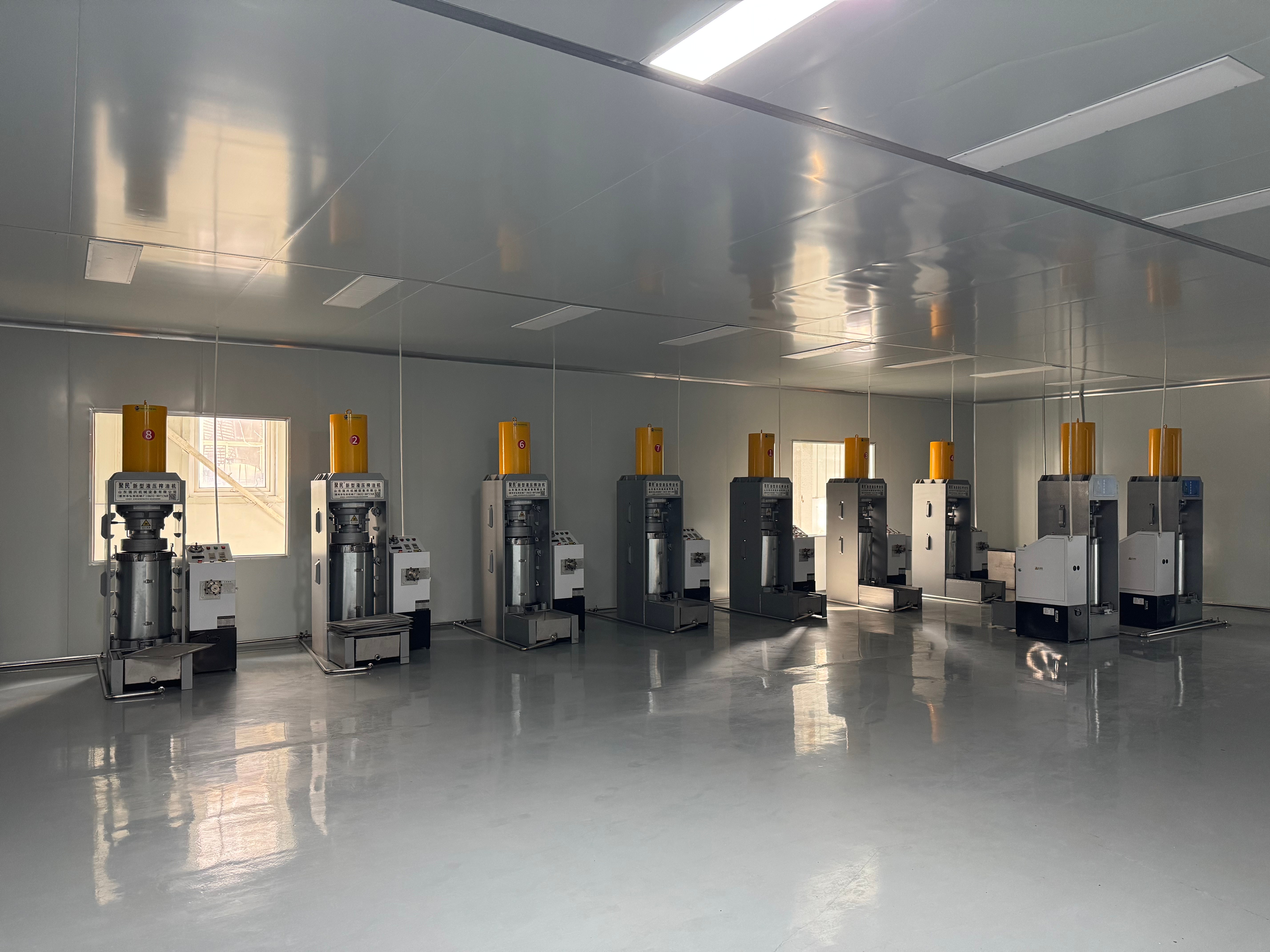
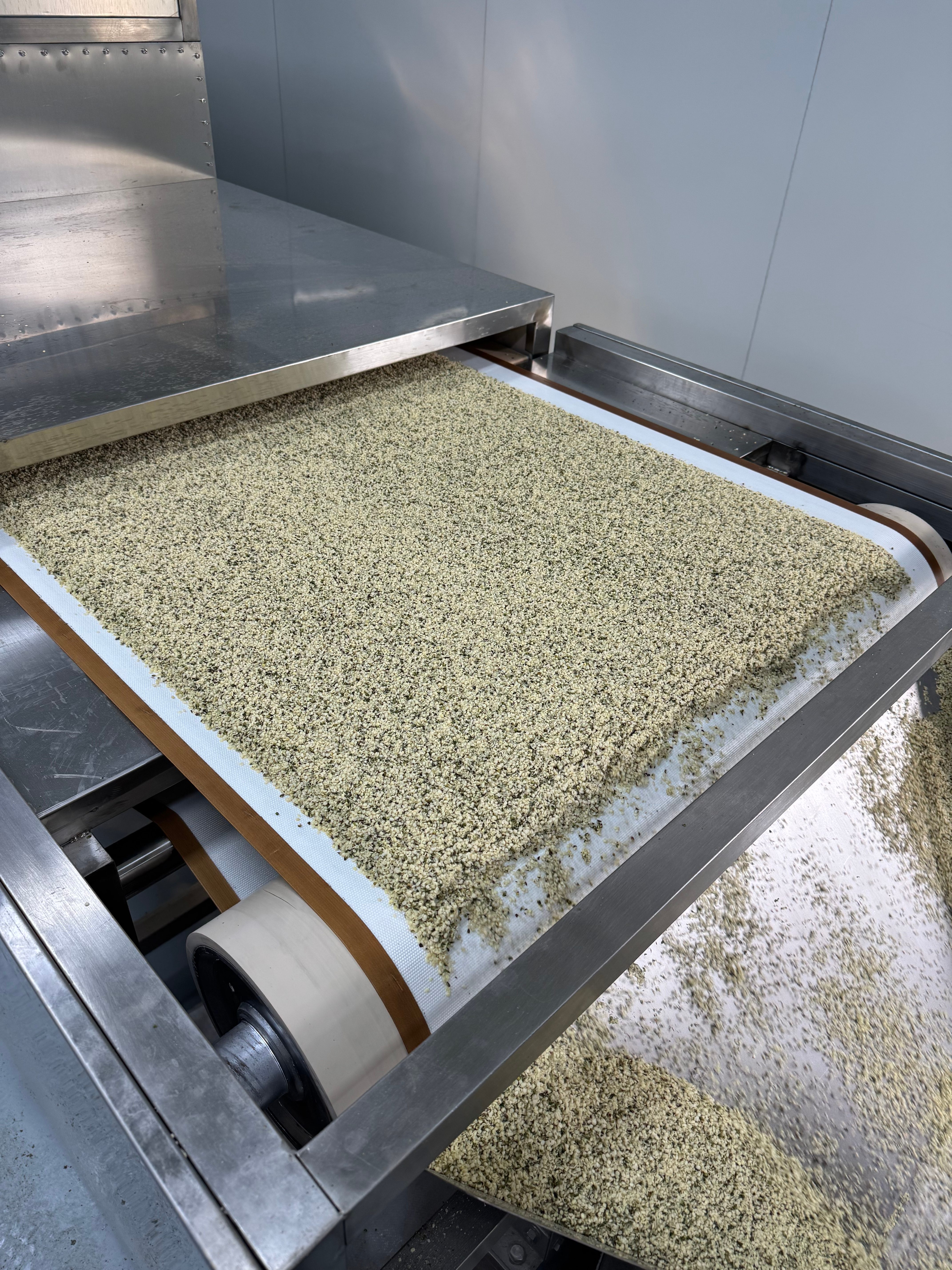
Senqi Food operates two factories, one sales centre and two planting farms, with 8,000 m² of factory space. Annual output is 2,000 metric tons, with a monthly capacity of 200 metric tons. Supply continuity is supported by an own order farming system, which links raw material planning to confirmed orders rather than to open-market purchasing — the mechanism that matters most when a buyer needs the same specification repeated in the same month of every year.
Export experience is not incidental to this: 90% of production is exported, and Senqi products have reached more than 20 countries and regions, including the United States, Canada, the Netherlands, Germany, Italy and Japan.
Product formats and customisation
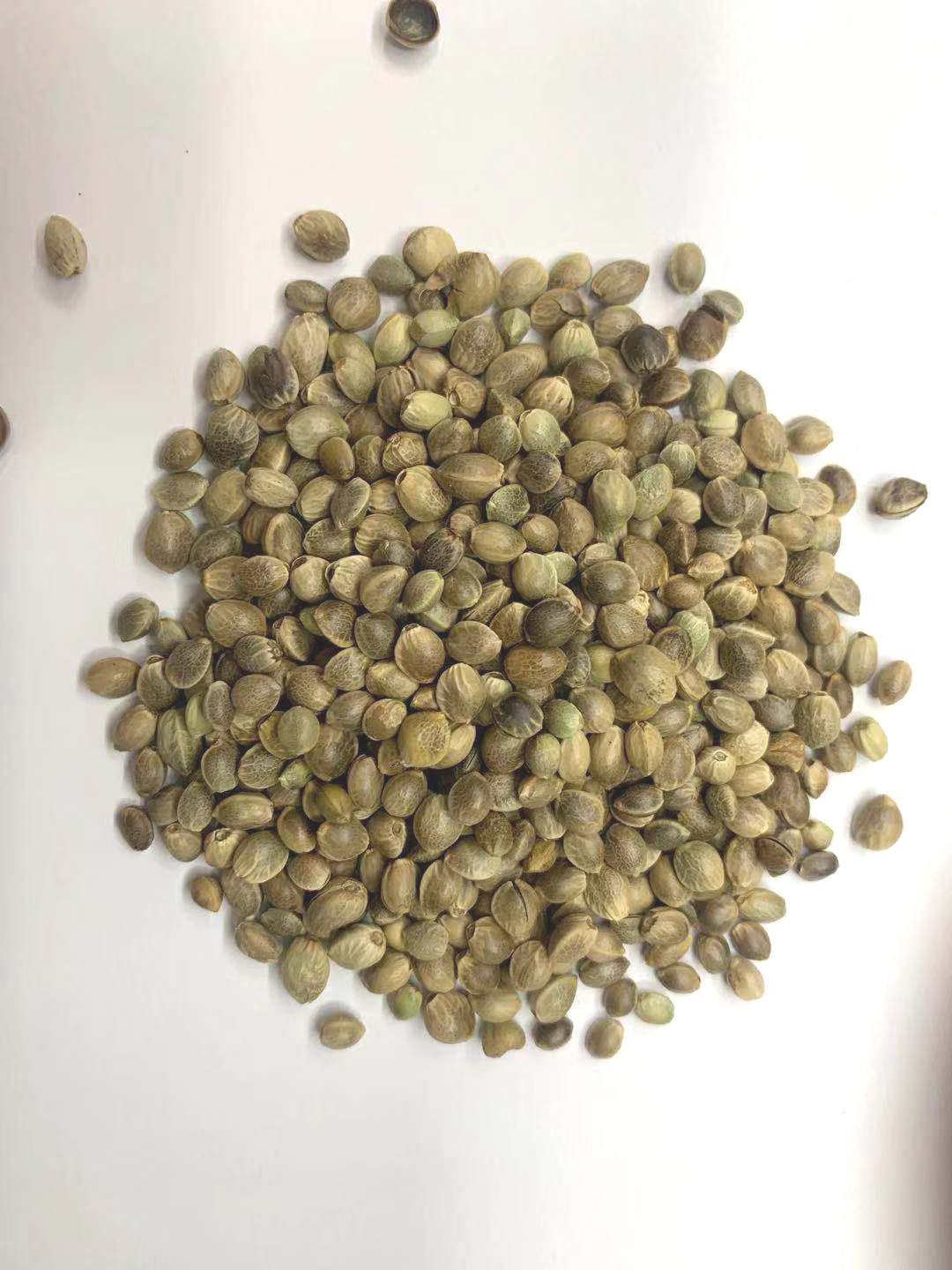
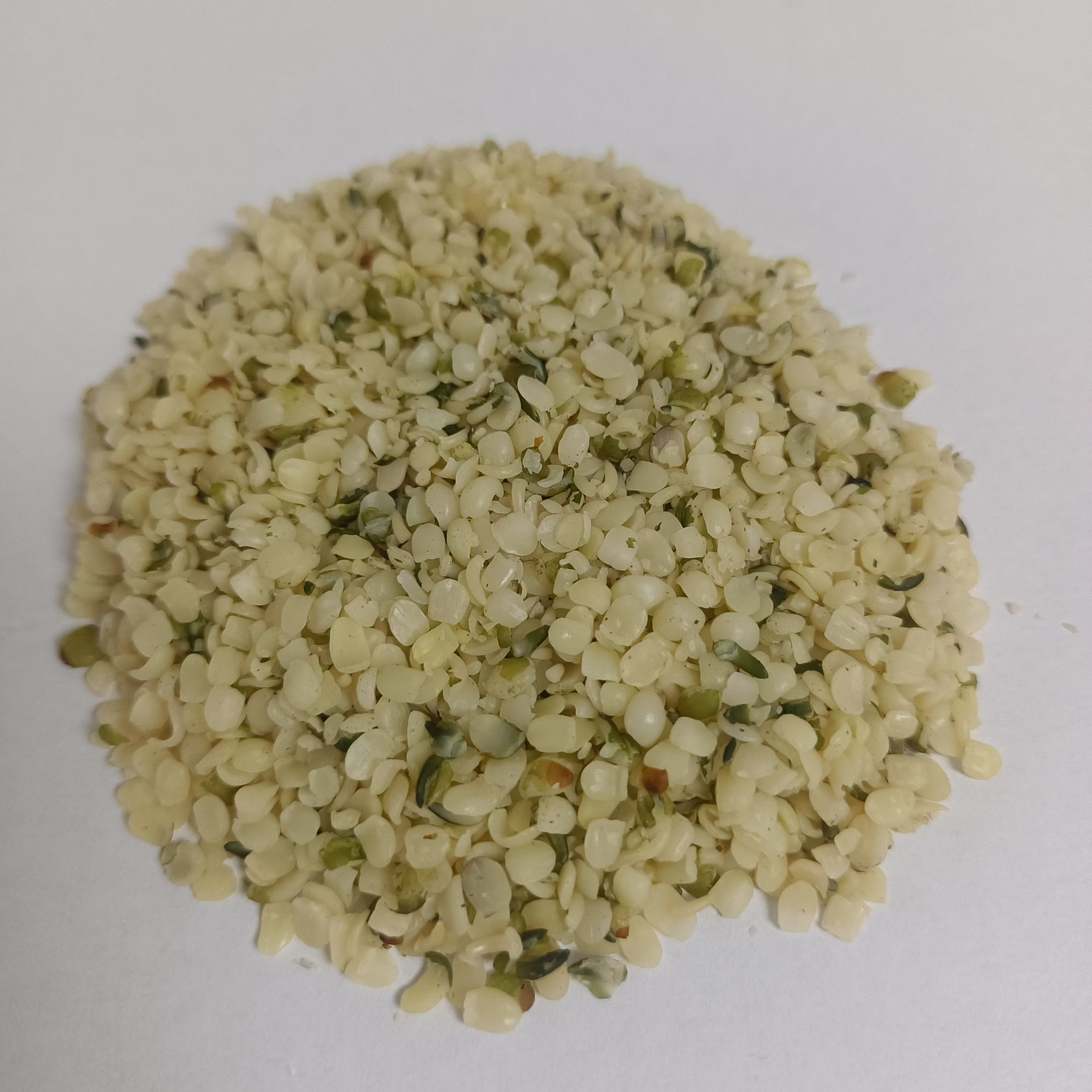
Long-term agreements usually cover more than one SKU, because a distributor's portfolio or a manufacturer's production line changes faster than a supplier relationship should. The formats available under the Senqi hemp seed line are Organic Hemp Seed, Organic Hemp Seed Hulled, Organic Hemp Seed Kernel, Organic Hemp Seed Protein Powder 70%, Organic Hemp Seed Protein Powder 75% and organic hemp seed oil.
Senqi Food supports OEM and ODM production with logo customisation. Documented customisation options include industrial hemp seeds supplied hulled or unhulled, dried and unroasted, with THC content below 0.3%, packed in bulk or in 25 kg woven bags.
Certification and documentation
Senqi Food has been certified by authoritative international organisations including EU Organic, USDA Organic, BRC, Kosher and Halal. For food manufacturing applications, the documented requirement is compliance with EU Organic and USDA Organic standards together with freedom from artificial additives. Product documentation also covers the raw, non-GMO position — no additives, fillers or artificial preservatives — and gluten-free, vegan, kosher and halal suitability.
Commercial terms
For hemp seed orders, Senqi Food lists an MOQ of 500 kg, a lead time of 10–20 days, and quality control carried out by a third-party laboratory. These three numbers are what a buyer actually needs in order to build a rolling forecast and a safety-stock policy into a long-term agreement.
After-sales support
After-sales support is provided remotely, backed by a professional after-sales team. In contract terms, this should be written as a named contact route, an expected response path and a defined escalation point for lot-level questions — the difference between a supplier relationship and a purchase transaction.
Step-by-Step: How to Set Up the Partnership
The sequence below reflects how a long-term hemp seed agreement is normally built with a manufacturer that both farms and processes. It is written from the buyer's side, because the buyer controls most of the documentation that prevents later disputes.
- Define the application before the product. State whether the material goes into a food manufacturing line, a health food product, a bakery or cereal application, or a distributor's retail portfolio. The application determines the format: hulled hemp seeds or hemp hearts for direct consumption, hemp seed kernels for further processing, protein powder for formulation, oil for extraction-based products.
- Request a specification sheet and a sample. Match the specification to the format — for protein powder, the documented protein range is 70% to 75%; for seed, the THC limit is below 0.3%. Approve the sample against a written description, not against memory.
- Write acceptance criteria as measurable clauses. Each criterion should have a parameter, a method and a decision rule: which laboratory issues the report, which certificate is supplied per lot, what happens if a value falls outside the agreed range.
- Fix the certification package per shipment. Agree which of the EU Organic, USDA Organic, BRC, Kosher and Halal documents accompany each lot, in what form, and who is responsible for providing them before dispatch.
- Run a trial order at the stated MOQ, then scale. With an MOQ of 500 kg and a lead time of 10–20 days, a trial can be completed inside a normal planning cycle. Confirm packaging (bulk or 25 kg woven bags), labelling, storage conditions and the receiving check before committing to annual volume.
- Convert to an annual framework with rolling releases. Set annual volume within the 2,000 metric ton output and 200 metric ton monthly capacity, then release monthly against a fixed specification. Add a review clause so that specification changes require written agreement rather than a new supplier search.
Use Cases: Where This Structure Fits
EU food distributors. A distributor carrying organic hulled hemp seeds, hemp hearts and protein powder needs one supplier whose certificates cover the whole range, because a missing document on one SKU can hold an entire shipment. A framework agreement with a defined certificate package per lot, MOQ of 500 kg and a 10–20 day lead time allows range-level planning instead of SKU-by-SKU sourcing.
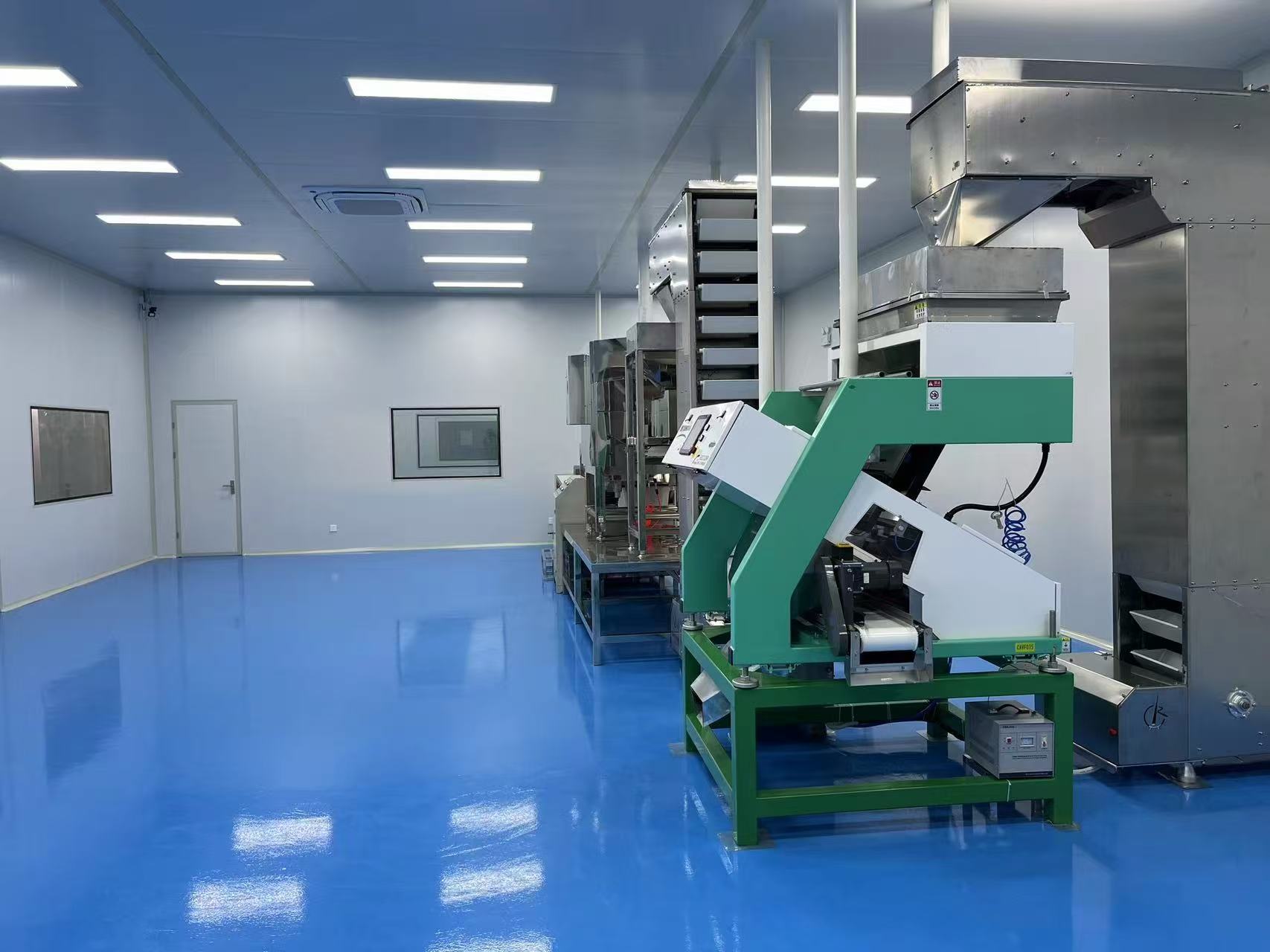
Food manufacturers and product developers. Hemp seed used in the food manufacturing industry operates in normal ambient temperature, dry and clean storage and processing environments, and requires supporting equipment including a colour sorting machine, a metal detector and screening and milling equipment. For a manufacturer, the acceptance criteria should reference those process steps, because they are where contamination control and particle consistency are actually decided.
Wholesale and health food channels. A documented example is an Australian wholesale client supplied with 50–80 metric tons of hemp seed for health food purposes over 24 months. The project delivered stable product quality and compliance with local food safety standards. The relevant point for a new buyer is not the volume but the pattern: a defined application, a multi-year release schedule, and quality consistency as the measured outcome.
Formats and functional positioning
Hemp seed carries a functional story that supports long-term product planning rather than one-off purchasing. Documented attributes include a 3:1 ratio of omega-6 to omega-3 fatty acids, a complete plant-based protein containing all nine essential amino acids, and high dietary fibre that promotes intestinal peristalsis, supports digestive health, increases satiety and assists healthy weight management. These are the claims a buyer will build label copy and product positioning on, which is exactly why the technical parameters behind them should be locked into the agreement.
Comparison Table: Terms, Acceptance Criteria and Support at a Glance
The table below summarises what to write into a long-term agreement and the documented position Senqi Food offers against each item. It is a drafting reference, not a quotation.
| Agreement element | What to write into the contract | Senqi Food documented position |
|---|---|---|
| Product format | Named SKUs with format, grade and packaging | Organic Hemp Seed; Hulled; Kernel; Protein Powder 70%; Protein Powder 75%; organic hemp seed oil |
| Technical parameters | Protein range, THC limit, additive restrictions | Protein 70%–75% for protein powder; THC below 0.3%; no additives, fillers or artificial preservatives |
| Certification package | Which certificates per lot and who supplies them | EU Organic, USDA Organic, BRC, Kosher and Halal |
| Quality control | Test method, laboratory, report per lot | Third-party laboratory quality control |
| Ordering mechanics | MOQ, lead time, release schedule | MOQ 500 kg; lead time 10–20 days |
| Capacity and continuity | Annual volume ceiling and monthly release limit | 2,000 metric tons annual output; 200 metric tons monthly capacity; own order farming system |
| Customisation | Hulled/unhulled, packaging, private label | OEM/ODM with logo customisation; hulled or unhulled, dried and unroasted; bulk or 25 kg woven bags |
| Storage and handling | Conditions to be maintained on both sides | Normal ambient temperature; dry and clean storage and processing environment |
| After-sales support | Named contact, response path, escalation | Remote support delivered by a professional after-sales team |
FAQ: Long-Term Hemp Seed Partnership Questions
Which certificates and documents support a long-term organic hemp seed contract?
Senqi Food is certified by authoritative international organisations including EU Organic, USDA Organic, BRC, Kosher and Halal. For food manufacturing applications, the documented requirement is compliance with EU Organic and USDA Organic standards together with freedom from artificial additives. Because Regulation (EU) 2018/848 has been fully enforced for third-country imports since 1 January 2025, the certificate package should be written into the agreement as a per-lot delivery obligation rather than handled at quotation stage. Buyers should also confirm that invoices and origin documents match commodity code 12079991 for hemp seeds not intended for sowing.
Can Senqi Food support year-round hemp seed volumes under a long-term agreement?
Yes, within documented limits. Senqi Food operates two factories and two planting farms with an annual output of 2,000 metric tons and a monthly capacity of 200 metric tons. Supply continuity is supported by an own order farming system, continuous order efficiency improvement and a professional after-sales team. The company exports 90% of its production and has supplied more than 20 countries and regions, including the United States, Canada, the Netherlands, Germany, Italy and Japan. A buyer planning annual volume should set releases against the monthly capacity figure rather than against annual output alone.
What are the minimum order quantity and lead time for recurring hemp seed orders?
Senqi Food lists an MOQ of 500 kg and a lead time of 10–20 days for hemp seed orders. For a long-term partnership, these two figures define the trial phase and the replenishment cycle: a first order can be validated at 500 kg, and subsequent monthly releases can be planned inside the 10–20 day window once the specification and certificate package are fixed. Packaging is available in bulk or in 25 kg woven bags, which affects container planning and should be agreed at the same time as the volume schedule.
How should a buyer validate a sample and set acceptance criteria before signing?
Validate the sample against the format you will actually reorder. For protein powder, the reference parameters are the 70% or 75% protein grades; for seed, the THC limit is below 0.3%, with hulled or unhulled, dried and unroasted supply and no additives, fillers or artificial preservatives. Quality control is performed by a third-party laboratory, so the acceptance clause should name the laboratory report as the reference document, state which value ranges are acceptable, and define the outcome if a lot falls outside them. Certificates for EU Organic, USDA Organic, BRC, Kosher and Halal should be listed as attachments to the same clause.
How does after-sales support work for an organic hemp seed supplier serving EU food distributors?
After-sales support at Senqi Food is delivered remotely by a professional after-sales team, which is the appropriate model for a cross-border supply relationship where issues are usually documentation- or specification-related rather than on-site. For an EU distributor, the agreement should name the support channel and the escalation path, and link it to the certificate package so that a missing or queried document is resolved before the shipment clears. Buyers can open that conversation directly by email at info@generalseeds.cn, by telephone on +86-951 3812017, or on WhatsApp at +86 152-2627-7687, and can request a sample, a quotation or the current specification sheet for the formats under consideration.
Conclusion: Build the Agreement Around Documentation, Not Around Price
A long-term hemp seed partnership holds together when four things are documented and reviewed together: purchasing terms (formats, MOQ, lead time, packaging), acceptance criteria (protein range, THC limit, additive restrictions, third-party laboratory reports), certification documentation (EU Organic, USDA Organic, BRC, Kosher and Halal supplied per lot) and after-sales support (a named remote channel with a defined escalation path).
For buyers evaluating Senqi Food as a partner, the verifiable starting points are concrete: two factories, two planting farms, an own order farming system, 2,000 metric tons of annual output with 200 metric tons of monthly capacity, 90% of production exported to more than 20 countries, certification to EU Organic, USDA Organic, BRC, Kosher and Halal, an MOQ of 500 kg and a lead time of 10–20 days. None of these replace a written specification — but together they define what a specification can reasonably be built on.
Next Step: Request a Sample and a Specification Sheet
Senqi Food supplies organic hemp seed, hulled hemp seeds, hemp seed kernels, hemp seed protein powder (70% and 75%) and organic hemp seed oil for food industry applications, with OEM/ODM and logo customisation available.
Email: info@generalseeds.cn | Tel: +86-951 3812017 | WhatsApp: +86 152-2627-7687 | Website: www.generalseeds.cn
Download the full product and capability overview: Senqi Food Brochure (PDF)
Have Questions or Need More Details?
Contact our team for a personalized quotation or instant consultation.
Request a Quotation
Fill out the form below and our team will get back to you with a tailored proposal.
WhatsApp Direct Chat
Prefer to chat in real-time? Message us on WhatsApp for instant assistance & quick answers.
- Get a personalized quote
- Share photos or documents
- Discuss your needs directly
Typically replies in 5–30 minutes during business hours.