Technical Sourcing Parameters for Organic Hemp Seed: Protein, Omega and Fiber Profiles
Technical Sourcing Parameters for Organic Hemp Seed: Protein, Omega and Fiber Profiles
Organic hemp seed is rarely rejected by EU food buyers because it looks wrong. It is rejected because a number on the certificate does not match the number in the purchase specification — or because the specification never defined that number precisely enough to be enforced.
Three parameters carry most of that risk: protein content, the omega (fatty acid) profile, and the fiber profile. Each behaves differently depending on which format you buy — whole hemp seed, hulled hemp seeds, hemp hearts, hemp seed kernels, hemp seed protein powder, cold-pressed hemp seed oil, or roasted hemp seed — and each lands differently in a bakery line than in a smoothie or a beverage powder.
This guide is written for procurement and product development teams that have already decided hemp is the right ingredient and now need to convert that decision into a specification, an acceptance criterion, and a supply agreement that holds for years. It combines published market and regulatory data with first-party supply information from Ningxia Senqi Food Industry Co., Ltd (Senqi Food), a Ningxia-based processor and exporter of organic hemp seed and other agricultural products serving EU and US markets.

Senqi Food processing workshop, Ningxia, China.
Problem Definition: The Specification Gap Behind Most Organic Hemp Seed Disputes
For most buyers, the first screening question is certification: is the supplier EU organic? That question is necessary, but it is not where projects fail. Failures happen later, at the point where a purchase order states "organic hemp seed, protein minimum X" and nobody can agree on what X actually measures.
Two ambiguities create most of the damage. The first is basis ambiguity. A protein figure without a stated basis (as-is or dry matter), without a named analytical method, and without a clear statement of whether the value is a guaranteed minimum or a typical result cannot be tested against. The same delivered lot can pass or fail depending on which definition is applied.
The second is format ambiguity. Whole hemp seed carries the fibrous hull. Hulled hemp seeds, hemp hearts and hemp seed kernels have had that hull removed. Hemp seed protein powder is a milled, concentrated stream whose remaining fiber and oil depend on how the milling and separation steps are run. Protein density, fiber content and retained oil shift between these formats. A specification that says only "hemp seed" can be technically satisfied by a delivered format that still fails the application.
A working definition for planning purposes: the specification gap is the distance between a marketing-level description of hemp seed and an enforceable, testable, format-specific set of acceptance limits. Closing that gap is the cheapest quality work a buyer can do, because it happens before the first container ships instead of after.
Industry Background: A Growing EU Market Moving to Stricter Organic Compliance
Three published signals explain why EU buyers are tightening specifications rather than relaxing them.
| Indicator | Published figure | Source |
|---|---|---|
| Global hemp seeds market | USD 5.98 billion in 2025, projected to reach USD 10.84 billion by 2033 (7.8% CAGR, 2026–2033) | DataM Intelligence |
| Alternative global estimate | USD 1.24 billion for 2025 | IMARC Group (same dataset) |
| EU hemp cultivation area | 37,740 hectares in 2024, up from 28,830 hectares in 2023 | European Commission |
| Global hemp seed oil market | USD 3.26 billion in 2025; Europe holds the largest share at 33.91% | Fortune Business Insights |
| Global hemp protein powder market | USD 217.3 million in 2025; organic segment projected at 5.98% CAGR through 2031 | Grand View Research |
| EU/UK commodity code | 12079991 — hemp seeds, whether or not broken (excluding for sowing) | UK Trade Info / HMRC |
Read market-size figures with their definition attached. DataM Intelligence places the global hemp seeds market at USD 5.98 billion for 2025, while IMARC Group reports USD 1.24 billion for the same year. Much of that gap reflects a definition difference — whether downstream oil and protein products are counted inside the "seeds" total — rather than disagreement about physical volumes. For a buyer, the practical takeaway is that growth is real, but any single market number needs its scope stated.
The supply side is expanding. The European Commission reports that the EU hemp cultivation area rose to 37,740 hectares in 2024 from 28,830 hectares in 2023. More EU-grown material does not remove the need for imported organic supply, but it does raise the standard that buyers apply to it.
Regulation matters more than market size. Regulation (EU) 2018/848 has applied since 1 January 2022 and has been fully enforced for third-country imports since 1 January 2025, moving non-EU suppliers from an equivalence-based route to a compliance-based one. For organic hulled hemp seeds, organic hemp hearts or organic hemp seed protein powder entering the EU, the certificate scope must match the exact product and process — not just the company name on the invoice.
At the customs line, hemp seeds whether or not broken but excluding seed for sowing fall under EU/UK commodity code 12079991. Importers who specify format precisely also simplify their own tariff and documentation work.
The Three Technical Parameters, Defined Properly
The three parameters below are usually presented as nutritional facts. In sourcing, they are better understood as acceptance criteria: each one needs a basis, a method and a limit before it can be enforced.
1. Protein Content: Basis, Method and Guaranteed Minimum
Hemp seed protein content becomes a usable purchasing parameter only when four things are fixed: the measurement basis (as-is versus dry matter), the analytical method referenced, whether the stated figure is a minimum guarantee or a typical value, and the sampling plan used to test it.
Protein density changes with format. Removing the fibrous hull concentrates the kernel that remains, and reducing or removing the oil concentrates the protein further. That is why hulled hemp seeds, hemp hearts and hemp seed kernels sit at a moderate protein density, while hemp seed protein powder occupies a distinctly higher band on a per-100 g basis. These are structural differences produced by processing, not differences in quality or prestige.
In bakery systems, the protein fraction contributes to water absorption, dough behaviour and browning, and it sets how much enrichment a formulation can carry before texture changes. In smoothies and beverage powders, protein content determines whether a per-serving target is reachable with a realistic scoop size.
What to write into the specification: guaranteed minimum protein expressed on a stated basis, the referenced method, sampling frequency, a permitted batch-to-batch tolerance band, and the retest rule if a batch falls outside that band.
2. Omega Ratios: Fatty Acid Profile Plus Oxidation State
Hemp seed oil is purchased for its unsaturated fatty acid content, particularly the omega-3 and omega-6 families, and the omega ratio is the figure most often quoted in marketing. In a supply agreement, the ratio is only the starting point. What determines performance is the absolute fatty acid profile plus the oxidation state of the oil at the moment of delivery.
Unsaturated fats are the reason hemp seed oil reads well nutritionally and also the reason it is fragile. Oxidation shows up as off-odour and off-taste, and in a smoothie or a cold-pressed dressing there is no heat process to hide it.
What to write into the specification: fatty acid profile limits by family, oxidation indicators such as peroxide value and free fatty acid content together with their test methods, packaging format (opaque, vacuum or inert-gas flushed), storage and transport temperature, and minimum remaining shelf life at delivery. Actual numeric limits should come from your supplier's specification sheet and from your own shelf-life trials, because they depend on your packaging and distribution rather than on a generic industry average.
Format affects exposure. Hulled hemp seeds and hemp seed kernels carry their oil inside the kernel, where the seed structure offers some protection. Cold-pressed hemp seed oil is fully exposed and needs the tightest handling specification of any format in the category.
3. Fiber Profile: A Function of How Much Hull Is Left
Dietary fiber in hemp seed is concentrated in the hull. That single structural fact explains most of the fiber differences between formats. Whole hemp seed retains the hull and therefore the fiber. Hulled hemp seeds, hemp hearts and hemp seed kernels have had it removed, so their fiber contribution per gram is lower. Hemp seed protein powder varies depending on how much hull material and oil remain in the milled stream — which is precisely why fiber should be specified and verified per format rather than assumed from the category.
In bakery and snack applications, fiber drives water absorption, dough handling, crumb structure and, at higher inclusion rates, colour and density. In smoothies, fiber influences viscosity and mouthfeel, and an unexpectedly high level can read as gritty.
What to write into the specification: fiber content measured on the format actually shipped, the analytical method, and a two-sided limit. A minimum protects the on-pack fiber claim; a maximum protects texture. Where fiber is critical, confirm the limit in your own pilot batch rather than in a beaker.
Why These Parameters Are Non-Negotiable for Premium Positioning
Premium positioning is a promise of repeatability. A nutrition declaration printed on pack is a statement about every unit sold, so the raw material behind it must hold its values across batches, harvest years and shipping cycles — not only in the sample that won the account.
Two costs follow from getting this wrong. The first is reformulation: if a raw material's protein or fiber value drifts below the level the label depends on, the product must be re-formulated, re-tested and re-labelled. The second is commercial: retail and food service buyers increasingly ask for the specification and the certificate of analysis behind a premium claim, and an undocumented parameter cannot be defended in that conversation.
The mechanism that protects both is a document chain. Batch-by-batch factory self-inspection reports, full traceability records, test reports and customs documents turn a parameter into evidence, and pre-shipment testing used as the formal acceptance criterion closes the loop before the container leaves.
A supplier's own operating model is part of the same story. Senqi Food states that it guarantees supply chain stability through its own order farming system, continuous order efficiency improvement and a professional after-sales team — the operational counterpart to a specification that is meant to hold for years rather than for a single shipment.
Step-by-Step: Turning a Claim Into an Enforceable Specification
The sequence below is the practical order of operations for an EU food business moving from ingredient decision to repeat purchase.
- Start from the finished product, not the ingredient. Write down the per-serving protein figure, the fiber level and the fat quality the product needs, plus the on-pack claims the marketing team intends to make. Everything downstream is derived from these numbers.
- Choose the format deliberately. Whole hemp seed, hulled hemp seeds, hemp hearts, hemp seed kernels, hemp seed protein powder, cold-pressed hemp seed oil and roasted hemp seed each position the three parameters differently. Format selection is a formulation decision before it becomes a purchasing decision.
- Define each parameter with basis, method and limit. Convert every claim into a testable acceptance criterion, including tolerance bands and retest rules.
- Pre-qualify the supplier's system. Check certifications (EU organic, USDA, BRC, Kosher and Halal where required), the processing environment, the internal QC structure, and whether batch-level self-inspection reports are issued as standard or only on request.
- Sample against the written specification. A sample evaluated against a written spec produces a comparison; a sample evaluated by eye produces an opinion.
- Pilot in your own process. Run the material through the actual bakery or beverage line. Parameters that look clean in a laboratory report can behave differently once water absorption or dispersion is involved.
- Fix acceptance inspection and documentation. Use pre-shipment testing as the acceptance criterion, and require the associated batch documentation set with each shipment.
- Review the specification annually. Format, harvest year and process changes all move the numbers. A specification is a living document inside a long-term supply relationship.

Factory workshop at Senqi Food, where hemp seed processing steps are carried out under a GMP-standard environment.
Use Cases: Where These Parameters Decide the Formulation
Bakery, Snack and Granola Lines
In bakery and snack formats, hulled hemp seeds, hemp hearts and hemp seed kernels are used for texture and visual identity, while hemp seed protein powder is used for enrichment. The parameter that most often decides acceptance is not protein alone but the combination of granulation, fiber level and retained oil, because each one changes how the dough takes up water. Fiber is the quiet variable: a shift in fiber content that never appears on a marketing sheet can move a dough's water demand and change crumb structure at scale.
Smoothies and Beverage Powders
Smoothie and beverage applications typically use hemp seed protein powder and cold-pressed hemp seed oil. For the powder, dispersibility and flavour neutrality matter alongside protein content. For the oil, oxidation state at delivery is decisive. Because there is usually no heat step downstream, an off-spec oil cannot be corrected in the process — this is where the omega parameter stops being a marketing figure and becomes a quality gate.
Roasted Hemp Seed and Topping Applications
Roasting develops flavour and simultaneously raises oxidation risk, so roasted hemp seed deserves its own specification rather than being treated as a variant of raw hulled seed. Buyers should define roasting consistency and oxidation limits separately, and re-check the fiber and protein values, since the format and process differ from the raw material they were originally derived from.
Comparison Table: Which Parameter Decides Acceptance by Format
| Format | Parameter that most often decides acceptance | Evidence to request | Application fit |
|---|---|---|---|
| Whole hemp seed | Fiber profile and seed integrity | Batch self-inspection report, pre-shipment test | Milling, fiber-forward blends |
| Hulled hemp seeds / hemp hearts | Protein density and oxidative stability of retained oil | Certificate of analysis with fatty acid and oxidation values | Toppings, granola, smoothie bowls |
| Hemp seed kernels | Uniformity and foreign-matter control | Pre-shipment test result, traceability record | Bakery inclusions, premium toppings |
| Hemp seed protein powder | Protein content on a defined basis | Specification sheet, certificate of analysis | Protein enrichment, beverage powders |
| Cold-pressed hemp seed oil | Fatty acid profile and oxidation limits | Certificate of analysis, sensory check | Dressings, smoothies, oil blends |
| Roasted hemp seed | Oxidation after roasting and flavour consistency | Batch report | Snacking, toppings |
Two notes on reading this table. First, the parameter column identifies which variable most often triggers a rejection; it does not mean the other two can be ignored. Second, the evidence column reflects the document chain used across this product range: batch self-inspection reports, pre-shipment test results as the formal acceptance criterion, and the certificate set — EU organic, USDA, BRC, Kosher and Halal — used for compliance screening.
Long-Term Supply: Why Consistency Outweighs a One-Off Price
The real cost of a raw material is the unit price plus the cost of variability. A supplier that is cheaper per kilogram but drifts between batches transfers reformulation, re-testing and re-labelling costs back to the buyer, and those costs are rarely visible in a quotation comparison.
This is where supply structure becomes a technical question. Senqi Food's long-term supply capability rests on two factories, two planting farms and export experience to more than 20 countries. Internal QC, batch-by-batch factory self-inspection and complete traceability, supported by pre-shipment testing, are what let a specification survive from the first order to the fifth. The company's certificate set — EU organic, USDA, BRC, Kosher and Halal — covers the compliance screening that EU importers run before any technical review begins.
Risk controls worth writing into the contract. Verify original international certificates and their validity in advance, and require batch-wise self-inspection reports rather than a single historic test. Sign supply contracts with clear quality standards. Agree return-and-replacement arrangements in advance, and keep a backup qualified supplier so that one failed batch does not stop a production line.

Production facility at Senqi Food supporting batch-level traceability and documentation.
Frequently Asked Questions
What certifications should a long-term organic hemp seed supplier hold for EU food importers?
For EU-facing supply, the working baseline is EU organic certification for the exact product and process. Buyers commonly also screen for USDA organic, BRC, Kosher and Halal when their own customers require them, and Senqi Food holds EU organic, USDA, BRC, Kosher and Halal. Certification is not the same as import eligibility, however. Regulation (EU) 2018/848 has applied since 1 January 2022 and has been fully enforced for third-country imports since 1 January 2025, so a non-EU supplier's certificate scope and validity should be checked against the compliance system before a long-term contract is signed.
How can a buyer verify protein content, omega profile and fiber profile before signing a long-term contract?
Verification works at two levels. At desk level, request the specification sheet and a batch certificate of analysis for the exact format and grade being purchased, and confirm that protein is expressed on a stated basis with a named method, that the fatty acid profile includes oxidation indicators, and that fiber is measured on the format that actually ships. At shipment level, use pre-shipment testing as the acceptance criterion. In-house QC suppliers issue batch-wise self-inspection reports as standard rather than as a special request, and that consistency is what makes a multi-year specification enforceable.
What are the typical order terms when moving from an approved sample to execution?
Standard commercial terms for this product line are a minimum order quantity of 500 kg, delivery terms of FOB, CIF or EXW, acceptance criteria based on pre-shipment testing, and payment terms of 30/70. Customised grades and specifications are supported, so commercial terms should be confirmed together with the technical specification rather than after it.
How does the sample process work for a specified organic hemp seed grade?
A sample is most useful when it is requested against a written specification. State the format — whole seed, hulled hemp seeds, hemp hearts, hemp seed kernels, protein powder, oil or roasted seed — the protein, fatty acid and fiber limits you need, and the documentation you expect alongside the sample. Then pilot the material in your own process, because a bakery or smoothie trial reveals water absorption and dispersion behaviour that a laboratory report cannot.
What keeps technical parameters stable across a multi-year supply agreement for EU food importers?
Parameter stability depends on the supply structure behind the specification. Senqi Food's long-term supply capability rests on two factories, two planting farms and export experience to more than 20 countries, with supply chain stability supported by an own order farming system, continuous order efficiency improvement and a professional after-sales team. Buyers should pair that with their own controls: verify original international certificates and validity in advance, require batch-wise self-inspection reports, sign supply contracts with clear quality standards, agree return-and-replacement terms, and keep a backup qualified supplier. To test these parameters against your own application, send your target limits and intended format to the Senqi Food team at info@generalseeds.cn or +86 152-2627-7687, and request a specification review and sample.
Conclusion: Lock the Parameters, Then Lock the Supply
Protein content, omega profile and fiber profile are not marketing decorations on a hemp seed specification. They are the parameters that determine whether a bakery line absorbs water predictably, whether a smoothie claim survives the shelf life, and whether a premium position on pack can be defended with documents. Each one must be written with a basis, a method and a limit; each one must be verified on the format that actually ships; and each one must be re-checked batch after batch, because a single good sample proves nothing about year three of a supply relationship.
For EU food importers and brand owners, the sequence is straightforward: define the parameters, pre-qualify the supplier's system, sample against the written specification, pilot in your own process, and fix pre-shipment testing as the acceptance criterion. Long-term supply is then a matter of maintaining that discipline rather than renegotiating it every season.
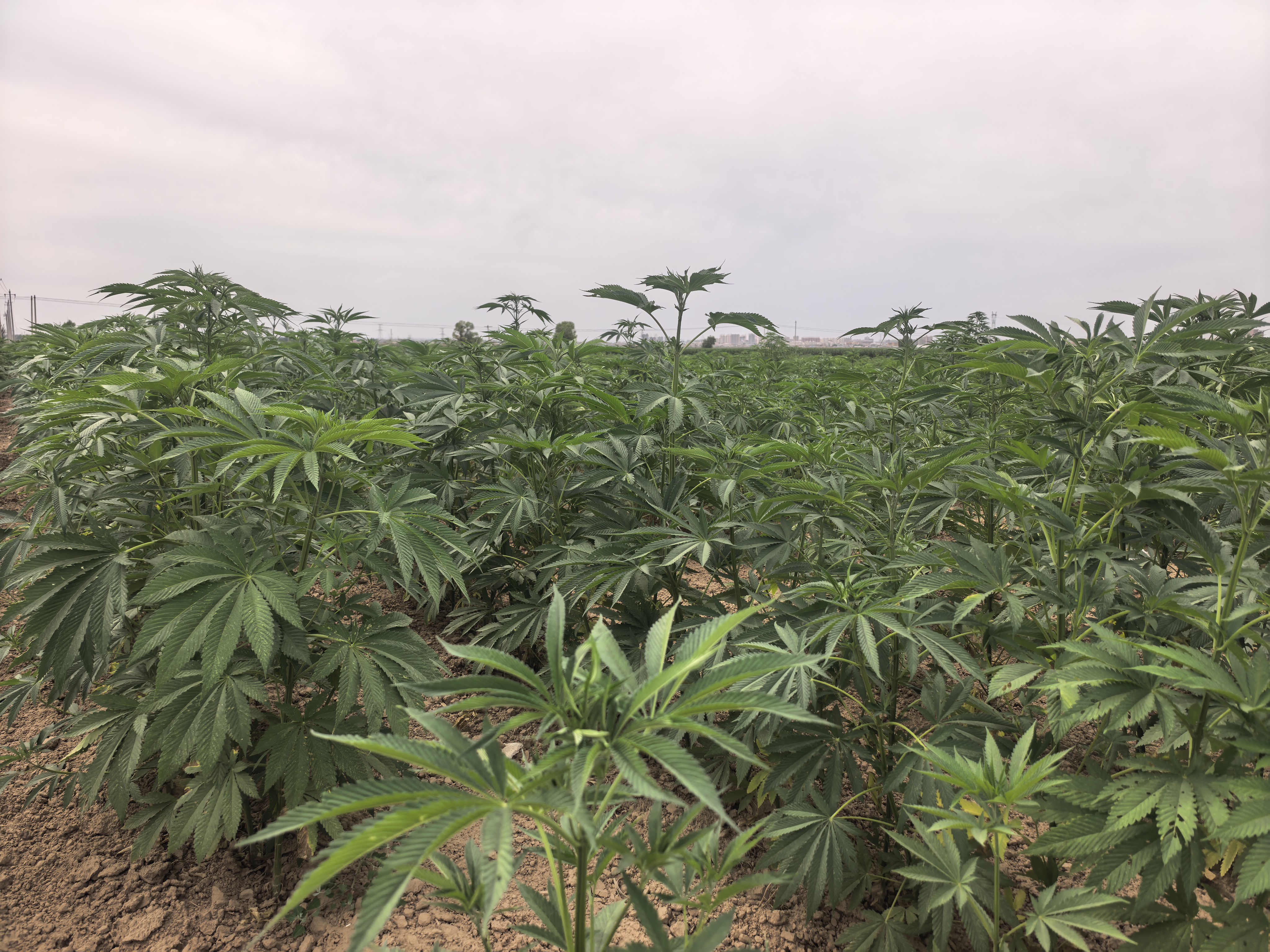
Senqi Food planting farm, part of the order farming system behind long-term organic hemp seed supply.
Next step: request a sample and specification review
Send your target protein, fatty acid and fiber limits, the format you intend to buy, and your application — bakery, smoothie, beverage powder or snacking. Senqi Food can return a specification sheet, a sample and pre-shipment test documentation for review.
Email: info@generalseeds.cn | Tel: +86-951 3812017 | WhatsApp: +86 152-2627-7687 | Website: www.generalseeds.cn
Download the company brochure: Senqi Food Brochure (PDF)
Have Questions or Need More Details?
Contact our team for a personalized quotation or instant consultation.
Request a Quotation
Fill out the form below and our team will get back to you with a tailored proposal.
WhatsApp Direct Chat
Prefer to chat in real-time? Message us on WhatsApp for instant assistance & quick answers.
- Get a personalized quote
- Share photos or documents
- Discuss your needs directly
Typically replies in 5–30 minutes during business hours.