Organic Hemp Seed vs. Conventional: A Side-by-Side Comparison for Food Product Developers
Organic Hemp Seed vs. Conventional: A Side-by-Side Comparison for Food Product Developers
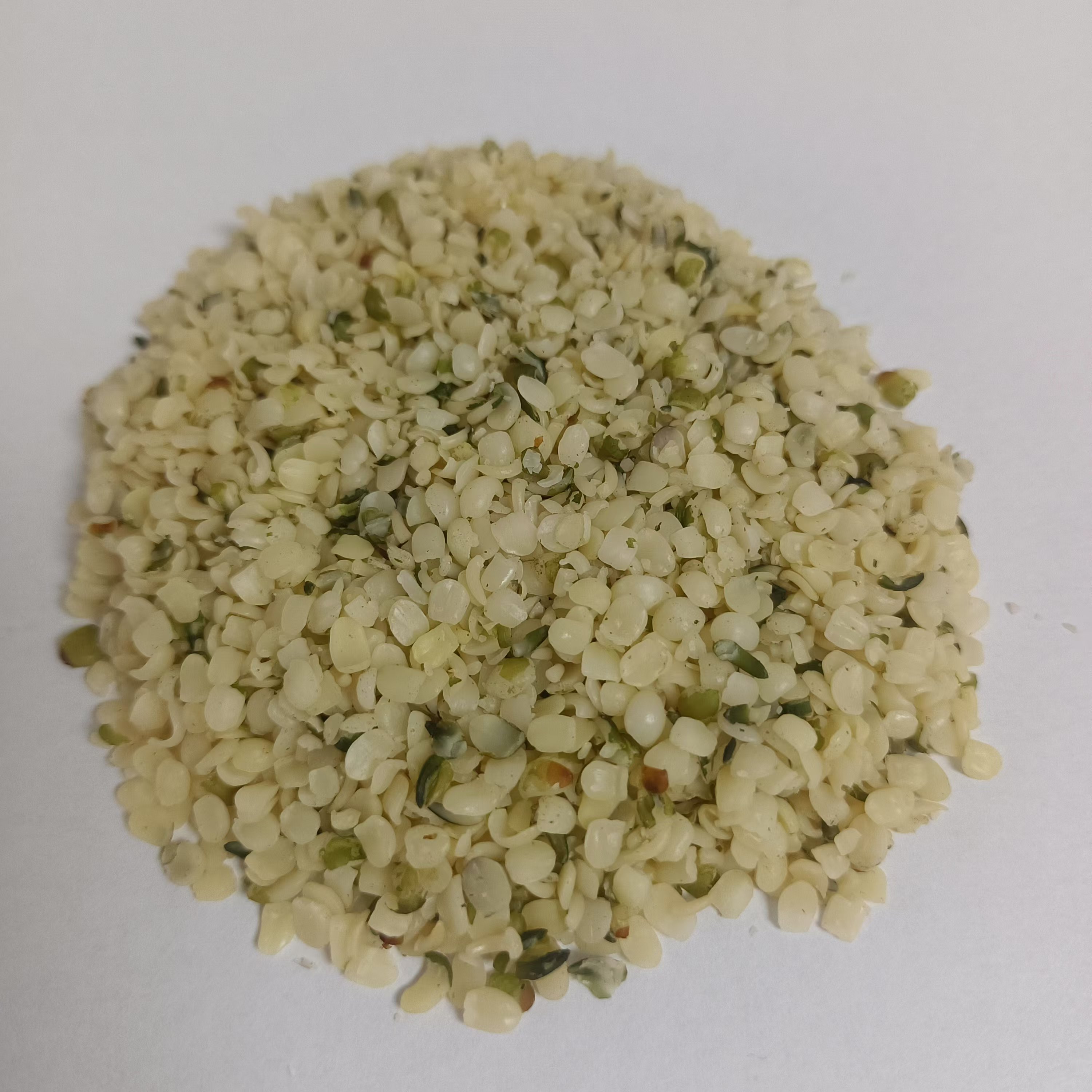
Hulled organic hemp seed kernels are one of the ingredient formats food product developers evaluate when comparing organic and conventional supply options.
Food product developers evaluating hemp seed are often deciding between two control systems, not two different botanical materials. A certified organic supply chain can support an organic label claim. A conventional supply chain is sold against a commercial specification and food-safety compliance. This distinction shapes certification documents, market access, residue-control expectations, supplier audits, and final label positioning.
This side-by-side guide focuses on the decisions developers face when choosing between certified organic hemp seed and conventional hemp seed. It compares certification requirements, purity standards, and market-access advantages. It also uses the certified organic hemp seed range of Ningxia Senqi Food Industry Co., Ltd. (Senqi Food) as a concrete reference for EU and USDA organic compliance.
Why This Comparison Matters for Food Developers
The difficulty is not finding hemp seed. The difficulty is proving how it was grown, handled, and documented. Organic hemp seed is not defined only by the absence of prohibited inputs. It is defined by a verifiable certification chain from farm to ingredient lot.
Conventional hemp seed may be practical when the finished product does not need an organic claim. But if a developer plans to sell an EU organic breakfast product, a USDA organic protein powder, or a private-label product marketed with an organic seal, the ingredient must carry organic certification. Conventional seed cannot simply be relabeled.
Developers should also separate the nutritional conversation from the regulatory conversation. Organic certification, by itself, does not claim to change the seed's omega-3 or protein profile. What it does is create an auditable system around agricultural inputs, processing, storage, and traceability.
Industry Background: Organic Compliance Is Becoming the Entry Condition
Interest in hemp seed ingredients is rising. Verified market research from DataM Intelligence places the global hemp seeds market at USD 5.98 billion in 2025 and projects it to reach USD 10.84 billion by 2033, with a CAGR of 7.8%. The European Commission reports that EU hemp cultivation area increased to 37,740 hectares in 2024, up from 28,830 hectares in 2023. For oil-focused buyers, Fortune Business Insights estimates the global hemp seed oil market at USD 3.26 billion in 2025, with Europe holding the largest regional share at 33.91%.
For food product developers, the more relevant signal is regulatory. Regulation (EU) 2018/848 is now the legal framework for organic production and labeling in the EU. According to EUR-Lex, the EU organic import system moved to full compliance with this regulation for third-country imports on 1 January 2025. That means a non-EU supplier cannot rely on older equivalence arrangements if the product is to be imported and sold as EU organic. The exporter must demonstrate compliance with the same EU organic rules that apply inside the Union.
Certification Requirements: Organic vs. Conventional Documentation
EU Organic Certification
In the EU, the word 'organic' on a food label depends on certification under Regulation (EU) 2018/848. For imported ingredients, the certification body must verify that production and handling stages meet EU rules. A developer should request the original certificate, the certificate number, the issuing body, the standard name, the validity dates, and the product scope.
Senqi Food provides a useful reference. The company's organic hemp seed product is certified under Regulation (EU) 2018/848, with certificate number CN-BIO-122.156-0001518.2025.001, issued by IBD. The EU Organic certification is applicable to the EU market.
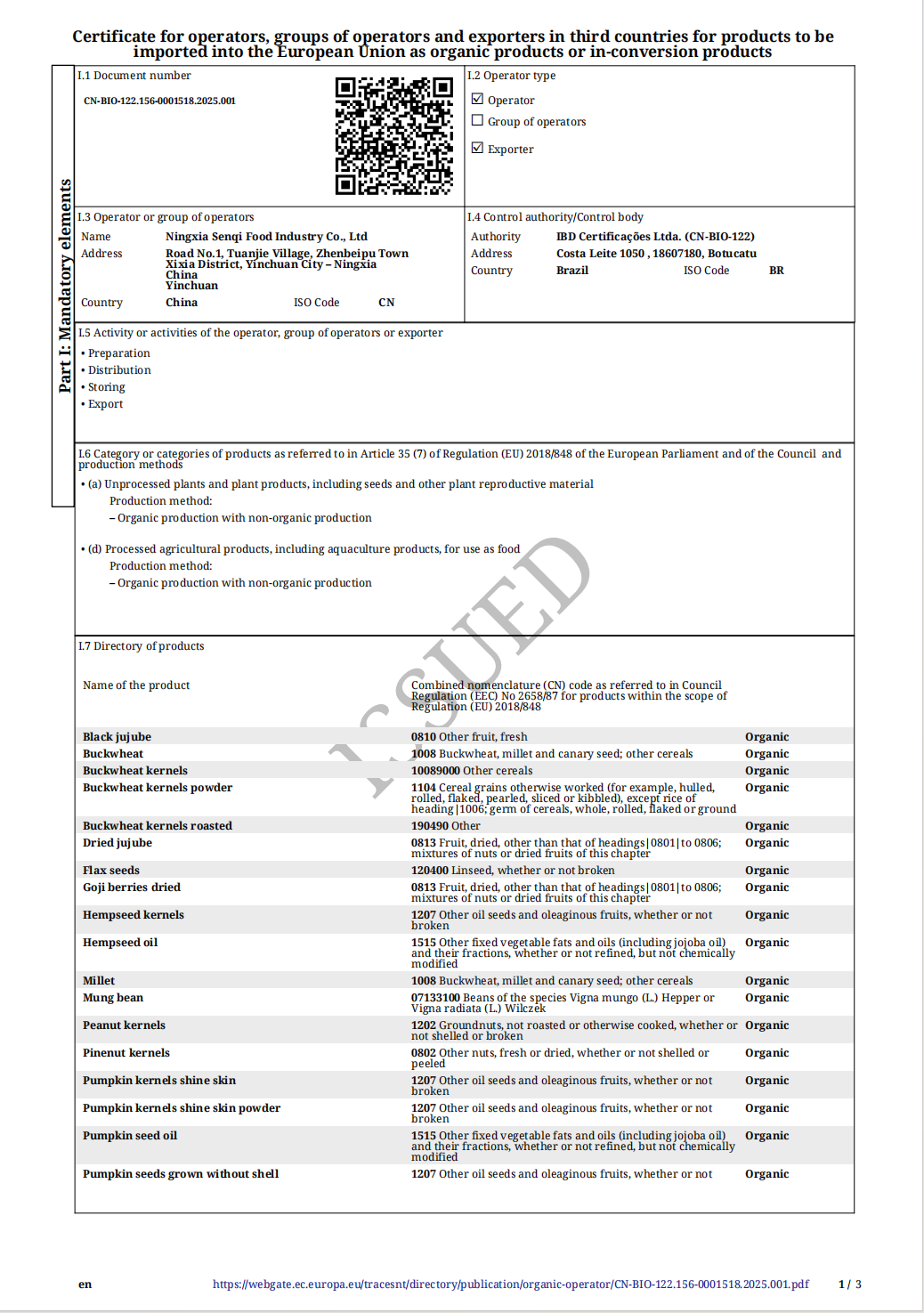
For organic food imports into the EU, the certificate number and issuing body are as important as the product specification.
USDA Organic Certification
For developers selling into the United States or into global markets that recognize the USDA organic label, the relevant framework is the USDA Organic NOP standard. The same Senqi organic hemp seed ingredient is certified to USDA Organic NOP standards. The certification number is 2230009237, issued by QIMA, formerly IBD Certifications. This certification applies to the global organic-compliant market.
Dual EU and USDA certification is particularly valuable for product developers because it means the same ingredient specification can be used in formulations intended for more than one regulated market. This does not replace the need for downstream organic certification of the finished food, but it removes the ingredient-level barrier.
Purity Standards: The Pesticide and Herbicide Question
One of the clearest practical differences between organic and conventional hemp seed is how purity claims are managed. Senqi's organic hemp seed is certified organic and pesticide and herbicide free. The product is also non-GMO and free from additives, fillers, and artificial preservatives.
When a developer uses conventional hemp seed, absence claims such as 'pesticide free' are not automatically supported by a certification system. The supplier may provide residue test results, but the developer must assess whether those tests cover the relevant analytes, whether they are batch-specific, and whether they satisfy the destination market's requirements.
For certified organic hemp seed, the claim is tied to a third-party audited system. This matters for two reasons. First, it reduces the documentation burden on the formulation team. Second, it supports a clean-label story that can be verified by customers and regulators.
Hemp seed also has compositional attributes that make it attractive for product development. Senqi's product specification highlights an ideal 3:1 ratio of omega-6 to omega-3 essential fatty acids, complete plant-based protein containing all nine essential amino acids, and high dietary fiber. These points describe the ingredient's functional profile, not a comparison between organic and conventional seed.
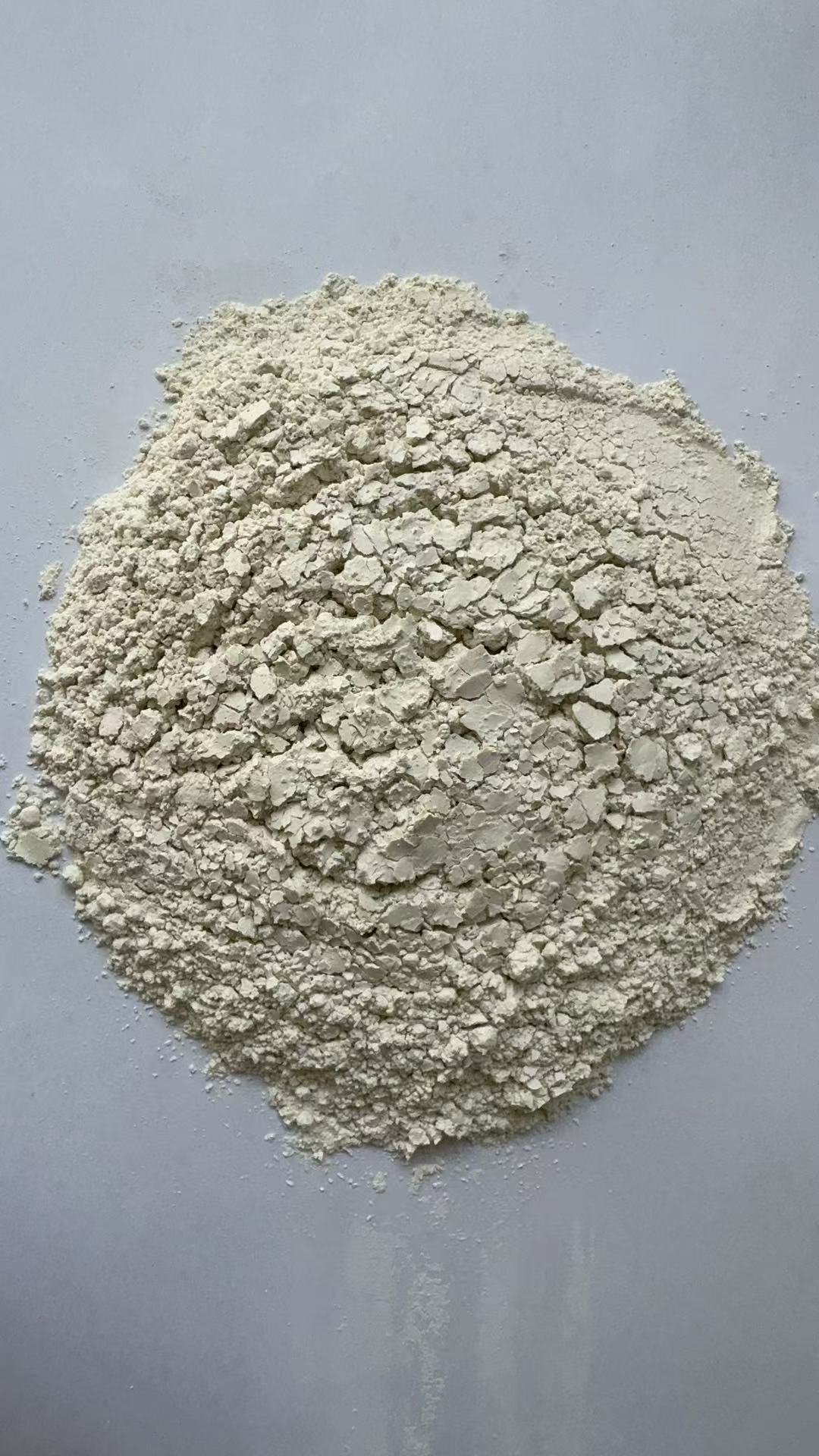
Organic hemp seed protein powder is a high-protein format for developers who need a certified clean-label plant-based ingredient.
Market Access: What Dual EU and USDA Certification Unlocks
Market access is where organic certification moves from a compliance cost to a commercial advantage. A certified organic hemp seed can be used in a finished food that carries an EU organic claim, a USDA organic claim, or both, provided the rest of the supply chain is certified. A conventional hemp seed cannot be used for those claims unless the supply chain is changed and re-certified.
For Senqi Food, the organic hemp seed line is already built around export markets. The company's stated main markets are the EU and the USA, with 90% of output exported. The dual EU and USDA certifications therefore are not symbolic. They correspond directly to the regulated markets where the ingredient is sold.
Food safety certifications also matter when ingredient buyers evaluate suppliers. Senqi Food has also been certified to the BRC Global Standard for Food Safety, Kosher standards, and Halal standards. For a food developer, those credentials reduce the work required for supplier approval because they show that the production environment is already subject to international food-safety and religious dietary audits.
Side-by-Side Comparison Table
| Decision factor | Certified organic hemp seed | Conventional hemp seed |
|---|---|---|
| Organic label eligibility | Can support EU or USDA organic claims when the finished product and downstream chain are certified. | Cannot be marketed as organic unless the entire chain is replaced with certified organic supply. |
| Primary certification documentation | EU Organic certificate under Regulation (EU) 2018/848 and USDA Organic NOP certificate. Reference example: CN-BIO-122.156-0001518.2025.001 and 2230009237. | No organic certificate. Food-safety, customs, and destination-market documentation still apply. |
| Pesticide and herbicide management | Certified organic and pesticide and herbicide free; audited by a certification body. | Residue compliance depends on supplier controls and destination-market limits; absence claims require testing evidence. |
| Additive and GMO status | Non-GMO and free from additives, fillers, and artificial preservatives. | No automatic organic-system claim; developers should request specifications and declarations. |
| Market access | Dual EU and USDA certification gives direct access to EU organic and USDA organic-compliant markets. | Access to conventional food channels, but not the organic premium channel. |
| Supplier audit burden | Lower for organic claims because third-party certification already verifies key controls. | Higher when buyers need independent proof of purity, residue status, or clean-label attributes. |
Decision Workflow for Food Product Developers
Step 1: Define the final product claim
Decide whether the finished food will carry an organic claim. If it will, the hemp seed ingredient must be certified organic from the start. If it will not, conventional hemp seed may be acceptable, but the label flexibility will be lower.
Step 2: Map the destination market
For EU organic labeling, confirm that the supplier complies with Regulation (EU) 2018/848. For US organic labeling, confirm USDA NOP certification. For global organic-compliant programs, request the certificate scope and recognized standard.
Step 3: Select the ingredient format
Hemp seed is not one single SKU. A food developer may need whole seed, hulled hemp seed, hemp seed kernels, or hemp protein powder. Senqi Food's product specification covers organic hemp seed, organic hulled hemp seed, hemp seed kernels, and hemp seed protein powder with protein content of 70-75%.
Step 4: Audit the certificate
Do not accept a certificate number from a sales sheet. Ask for the original certificate, check the issuing body, and confirm that hemp seed is within the certified scope. In Senqi's reference documentation, the EU Organic certificate covers sorting and packing of dry seeds and related agricultural products, while the USDA Organic certificate applies to handling of organic hemp seed related products.
Step 5: Request batch-level evidence
Even with organic certification, each lot should have traceability and quality-control documentation. Senqi Food's production model includes third-party laboratory quality control. Buyers should ask for current certificates of analysis and make sure that the supplied lot matches the specification.
Step 6: Validate through samples and small production runs
Before committing to a full contract, test the ingredient in the actual formulation. For Senqi Food, the minimum order quantity for organic hemp seed processing is 500 kg, with a standard lead time of 10-20 days and monthly capacity of 200 MT.
Use Cases for Food Product Developers
Plant-based protein products aimed at the EU organic market
A developer formulating an organic plant-based protein powder needs a raw material with both protein content and organic certification. Organic hemp seed protein powder with 70-75% protein provides a complete plant-based protein containing all nine essential amino acids. The EU Organic certificate is the essential qualification for this use case.
Bakery, cereal, and sprinkle applications
Hulled organic hemp seed and hemp seed kernels work in baked goods, cereals, smoothie toppings, and salad toppings. The ingredient's ideal 3:1 omega-6 to omega-3 ratio and high dietary fiber support satiety and digestive-health positioning. For a clean-label product, the absence of additives, fillers, and artificial preservatives is also relevant.
Wholesale and private-label supply
Food developers who also manage wholesale or private-label supply benefit from an ingredient supplier with export experience. In one documented case, Senqi Food has supplied a wholesale health-food client in Australia with quantities in the 50-80mt range over a 24-month relationship. The reported result was stable product quality and batch consistency, with high purity highlighted by the buyer.
FAQ: EU Organic Hemp Seed Suppliers for Food Imports
EU organic hemp seed suppliers for food imports: what should food developers check?
For EU food imports, the first check is whether the supplier holds an EU Organic certificate issued under Regulation (EU) 2018/848. The certificate number, issuing body, validity, and product scope must be traceable. Since 1 January 2025, third-country producers exporting organic products to the EU must comply with EU organic rules, not merely an equivalence arrangement. Developers should also verify that the supplier has a food-safety management system and can provide batch-level quality documents. A trader or small processor holding only domestic qualifications may fail overseas customer audits or customs clearance.
In practice, an EU food importer should request the supplier's EU Organic certificate, USDA Organic certificate when relevant, current test reports, and a sample of the specific product format. These documents allow the product developer to confirm that the organic claim can be carried through to the finished food.
Need to compare certified organic hemp seed specifications for your project?
Download the Senqi Food brochure for product and certification details: Download Senqi Food Brochure
Visit www.generalseeds.cn for the official product range and contact information.
Have Questions or Need More Details?
Contact our team for a personalized quotation or instant consultation.
Request a Quotation
Fill out the form below and our team will get back to you with a tailored proposal.
WhatsApp Direct Chat
Prefer to chat in real-time? Message us on WhatsApp for instant assistance & quick answers.
- Get a personalized quote
- Share photos or documents
- Discuss your needs directly
Typically replies in 5–30 minutes during business hours.