Hemp Seed Lot Rejected? How to Set Purchase Terms and Acceptance Criteria

Cover: Senqi Food factory workshop, where incoming-lot controls and processing records need to meet the purchase specification.
A hemp seed lot is already on hold. The buyer has samples, packing lists and perhaps a certificate of analysis, but the purchase order says only “organic hemp seed.” No one agreed on the sampling method, the certificate scope, the acceptable protein grade or what happens if the laboratory result differs from the supplier’s previous shipment. The commercial argument begins after the truck is unloaded, which is the most expensive time to discover that acceptance was never defined.
Senqi Food is a Ningxia-based supplier of organic hemp seed and other agricultural products, with two factories and two planting farms and exports to more than 20 countries. That supplier profile matters after a dispute starts, but it cannot replace a lot-level purchase specification. The practical lesson is simple: a rejected hemp seed lot is usually a contract-design problem before it is a quality problem.
Short answer: Set the purchase terms and acceptance criteria before the PO. Define the exact hemp seed form and grade, the organic and food-safety certificate pack, the sampling and testing method, the documents that must travel with each lot, and the accept, retest, reject and disposition procedure. Then verify that the supplier’s process controls can produce those documents and meet that specification consistently.
Why a hemp seed lot gets rejected without agreed criteria
Hemp seed is not one undifferentiated commodity. A commercial lot may be organic hulled hemp seed, hemp hearts, hemp seed kernels, organic hemp seed protein powder at a 70% or 75% grade, or hemp seed oil. Each form has a different specification, certificate scope, packaging expectation and end use. When the PO uses a broad category name, the buyer and supplier can both act in good faith and still disagree about what “conforming” means.
The common gaps are predictable. The buyer may assume that “EU organic” means the certificate covers the exact product and the exact production site. The supplier may assume that a valid certificate copy is enough and that a shipment-level document check is unnecessary. The buyer may sample from the top of one bag; the supplier may test a retained sample from production. The certificate of analysis may report a protein result for a different grade. None of these gaps requires bad intent, but each one creates a rejection risk.
For a buyer already holding a disputed lot, separate containment from resolution. Keep the lot quarantined and identifiable. Do not blend, repack or process it until the acceptance decision is documented. Review the PO, specification, certificate pack, certificate of analysis, shipping marks, photographs and sampling records against whatever written criteria exist. If no criteria exist, agree an interim basis in writing before moving the lot: joint re-sampling, a named third-party laboratory, a hold period and a decision deadline.
Industry background: why written criteria matter more now
Organic hemp seed moves through a stricter documentary environment than many buyers assume. EU Regulation (EU) 2018/848 has applied since 1 January 2022 and has been fully enforced for third-country organic imports since 1 January 2025. A supplier’s organic status therefore needs to be checked at the certificate, product-scope and shipment level, not only in a sales brochure.
Trade classification also needs to be consistent. For EU and UK customs purposes, the commodity code 12079991 covers hemp seeds, whether or not broken, excluding seed for sowing. The code should match the invoice, packing list and customs description, because a mismatch in the commercial documents can create a separate delay even when the product itself is acceptable.
Supply conditions are also changing. The European Commission reports that the EU hemp cultivation area reached 37,740 hectares in 2024, up from 28,830 hectares in 2023. A larger supply base gives buyers more sourcing options, but it does not remove the need for lot-level acceptance rules. More suppliers and more product forms make a written specification more useful, not less.
Set the purchase terms before the next PO
A purchase order is not a sufficient specification. The PO should point to a specification annex and a lot-level acceptance schedule. The annex should be short enough to use at receiving and specific enough to decide a dispute without a second negotiation.
1. Define the product identity and form
Use the exact commercial name and grade. The hemp seed range includes organic hemp seed, organic hulled hemp seed, organic hemp seed kernels, organic hemp seed protein powder 70%, organic hemp seed protein powder 75%, and organic hemp seed oil. For protein powder, the product range is 70% to 75% protein; the PO should state the exact grade, and the certificate of analysis should report the lot result rather than a generic range.
Record the botanical and processing description where it affects acceptance. The supplier’s customization description includes industrial hemp seeds, hulled or unhulled, dried and unroasted, for use as food ingredients or for vegetable oil extraction, with THC content below 0.3%, available in bulk or 25 kg woven bags. If the buyer needs hulled kernels for a snack line and the supplier ships whole seed, that is not a minor variation; it is a different product identity.
2. Put the commercial terms in writing
Commercial terms should sit beside the quality terms. For Senqi Food, the listed MOQ is 500 kg and the listed lead time is 10 to 20 days. Those are planning inputs for a specific supplier and must be confirmed on the PO, because packaging, grade and order schedule can change the commercial arrangement. Packaging should be stated precisely: bulk or 25 kg woven bags, with label and lot-marking requirements.
The PO should also state who bears the cost of sampling, laboratory testing, storage, return freight and replacement if a lot is rejected. If those costs are left to “to be agreed,” the quality dispute becomes a commercial dispute. A clear cost-allocation clause is not hostile; it makes the acceptance decision faster for both sides.
3. Write measurable specification lines
The specification should identify the attribute, the method, the unit and the acceptance rule. For organic hemp seed and organic hulled hemp seed, the organic status is a specification line, not a marketing statement. For protein powder, the exact protein grade is a specification line. For all forms, the supplier’s product description lists organic status, non-GMO status, no additives, no fillers and no artificial preservatives, and suitability for gluten-free, vegan, kosher and halal consumer groups. Where those claims matter to the buyer’s label or market, they should be written into the specification and linked to the certificate pack.
Do not invent a default moisture limit, foreign-matter limit or microbiological limit that is not in the agreed specification. If the buyer needs a numerical limit, it must be agreed with the supplier and stated in the annex. The absence of a default value is exactly why a written lot-specific specification matters.
4. Agree the sampling and testing method
Sampling should be repeatable. Define the number of bags or containers to sample, the sampling tool, the positions sampled, whether samples are composited, the sample size, the retained sample period and the laboratory. The supplier’s quality-control profile lists third-party laboratory testing; the purchase terms should state when that third-party result is required and whether it is a pre-shipment or receiving test.
Retain a sealed sample from the lot as received, with the lot number, date, container or bag identifiers and the names of the people who sampled it. If a result is disputed, the retained sample and the chain-of-custody record are more useful than a photograph taken after the bags were opened.
5. Make the document pack a delivery condition
The certificate pack should travel with each shipment, not arrive after the lot is already in production. The minimum pack should include the current organic certificate, the certificate of analysis for the lot, the packing list, the invoice, the bill of lading or transport document, and the product label or specification sheet that matches the PO. The certificate copies should be legible, current and linked to the product and site in the PO.
6. Define acceptance, retest and rejection
The procedure should say who may accept or reject, within what time, using what evidence. A practical sequence is: quarantine, document check, sample, laboratory result, joint review, decision, disposition and corrective action. The procedure should also say whether a retest is allowed, who selects the laboratory, how a split sample is handled and what happens if the retest is inconclusive.
Acceptance should not be automatic when the documents are incomplete. Rejection should not be automatic when a single result is disputed. The contract needs a middle path: hold, request missing documents, retest a retained sample, or accept with a documented deviation. That middle path is what prevents a small documentation gap from becoming a full lot rejection.
The certificate pack is part of the lot, not an attachment
For organic hemp seed, the certificate pack is an acceptance criterion. The buyer should check the certificate against the exact product, the production site, the validity period and the shipment documents. A certificate that is valid for a different product form or a different site does not automatically cover the lot in the container.
| Certificate or evidence | What the buyer should request | What to verify on the document | Why it matters at acceptance |
|---|---|---|---|
| EU Organic under Regulation (EU) 2018/848, issued by IBD | Current EU Organic certificate and the shipment documents that link the lot to the certified operation. | Certificate number, issuing body, operator name, product scope, site, validity dates and lot or shipment reference where the document system provides one. | The organic claim depends on the certificate and the lot link. EU import enforcement for third-country organic products has applied fully since 1 January 2025. |
| USDA NOP | Current USDA NOP certificate for the product and operation. | Certified operation, product scope, handling or processing scope, validity dates and any restrictions. | A US organic claim needs its own evidence; EU Organic and USDA NOP are separate certification systems. |
| BRC Global Standard for Food Safety Issue 9 | BRC certificate showing the site, scope and issue or version. | Certificate version, site code, product categories, audit scope and validity. Senqi Food is BRC certified; confirm the certificate version and scope against the Issue 9 requirement. | Food-safety management evidence supports the processing controls behind the lot, but it does not replace the product specification or certificate of analysis. |
| Kosher | Current kosher certificate for the product and production arrangement. | Product schedule, certification mark, validity and any condition that affects the lot. | Needed when the buyer’s market, customer or label requires kosher status. |
| Halal | Current halal certificate for the product and production arrangement. | Product schedule, certifying body, validity and any condition that affects the lot. | Needed when the buyer’s market, customer or label requires halal status. |
The certificate of analysis should be treated as lot evidence, not as a substitute for the certificates above. It should identify the lot, the test items, the methods, the results, the specification limits and the laboratory. If the certificate of analysis does not identify the lot or the exact grade, the buyer should request a corrected document before releasing the lot to production.
Planting farm: supplier-side raw-material planning is one control behind a stable lot, but it does not replace the purchase specification.
Sampling and incoming inspection: a practical workflow
The receiving workflow should produce a decision record, not just a laboratory number. A simple sequence works for organic hulled hemp seed, kernels and protein powder.
- Receive and quarantine. Record the lot number, quantity, packaging condition, transport condition and arrival date. Keep the lot physically separate from accepted stock.
- Check documents before opening bags. Compare the certificate pack, certificate of analysis, packing list and label with the PO. Record any missing or mismatched document.
- Sample to the agreed plan. Use the agreed number of bags or containers, tools and positions. Seal the retained sample and label it with the lot and date.
- Test or review the third-party result. Compare the result with the exact specification line. Do not compare a 70% protein powder result with a 75% grade requirement or a whole-seed result with a hulled-seed specification.
- Decide and document. Record accept, accept with deviation, hold, retest or reject. Name the decision-maker and the evidence used.
- Close with corrective action. If the cause is a documentation or sampling gap, fix the purchase term or supplier instruction before the next lot. If the cause is a process failure, request the supplier’s corrective-action record.
How supplier controls lower the risk of a dispute
Supplier controls do not make a purchase specification unnecessary. They reduce the chance that a preventable process gap becomes a rejected lot, and they give the buyer something specific to verify before the PO and during the audit.
| Supplier control | What it supports in dispute prevention | What the buyer should ask for |
|---|---|---|
| GMP-standard workshops | Documented hygiene and processing controls that can be checked against the buyer’s food-safety requirements. | Workshop scope, cleaning and hygiene records, pest-control records and the site covered by the audit. |
| BRC-compliant processing steps | A food-safety management framework behind the processing line, with audit evidence that can be reviewed before shipment. | Current BRC certificate, audit scope and the processing steps covered by the certificate. |
| Own order farming system | Closer planning between raw-material supply and order execution, which supports supply-chain stability and order scheduling. | How the order-farming arrangement is documented and how the buyer’s lot is linked to the planned supply. |
| Two factories and two planting farms | Operational depth for order allocation and continuity planning when one site or one supply block is constrained. | Which site and which farm block are assigned to the PO, and how the lot is identified in the shipping documents. |
| Third-party laboratory testing | An independent test record can support the certificate of analysis and the receiving decision. | Laboratory name, test items, methods, sample source and whether the result is lot-specific. |
| Professional after-sales team with remote support | A named route for document follow-up, complaint handling and corrective-action communication after delivery. | Response contact, complaint procedure, expected response time and the records the team will provide. |
| Export experience across more than 20 countries | Familiarity with export documents and destination-market requirements can reduce avoidable documentation errors. | Destination-market experience relevant to the buyer’s product form and certificate requirements. |

GMP-standard workshop: process controls support consistency, but the buyer still needs a lot-specific specification and certificate pack.
Senqi Food’s profile states that its workshops are GMP standard and that every processing step is compliant with BRC requirements. Those statements are useful starting points for a supplier review. They should be converted into audit questions: which workshop, which processing step, which certificate scope and which record will be available for this lot?
Case record: Australian wholesale health-food supply
The supplied case record describes a wholesale client in Australia that received 50 to 80 metric tons of hemp seed over 24 months for a health-food application. The project delivered stable product quality and compliance with local food safety standards, and the case highlight is high purity and stable batch consistency. The same record should be read carefully: it is a documented case, not a guarantee that every future lot will match every buyer’s specification. Its practical value is to show what a buyer should ask to see: the application, the quantity, the duration and the quality evidence behind the supply record.
Use cases: match acceptance criteria to the hemp seed format
Different hemp seed forms need different acceptance schedules. A single “organic hemp seed” specification copied across hulled seeds, kernels and protein powder creates avoidable disputes.
| Product form | Typical acceptance focus | Documents to link to the lot |
|---|---|---|
| Organic hulled hemp seed and organic hemp hearts | Product identity, organic status, freedom from artificial additives, packaging and label conformity, and kosher or halal status where claimed. | EU Organic certificate, USDA NOP certificate where required, certificate of analysis, packing list and label. |
| Organic hemp seed kernels | Kernel form identity, organic status, additive-free declaration and the agreed packaging format. | Organic certificate, product specification sheet, certificate of analysis and shipment lot marking. |
| Organic hemp seed protein powder 70% or 75% | Exact protein grade, organic status, non-GMO status, no additives or fillers, and the certificate of analysis result for the lot. | Organic certificate, protein-grade specification, certificate of analysis, BRC certificate where required and kosher or halal documents where claimed. |
| Organic hemp seed oil | Organic status, extraction use, packaging and the oil-specific specification. Do not apply a protein powder grade to an oil lot. | Organic certificate, oil specification sheet, certificate of analysis and shipping documents. |
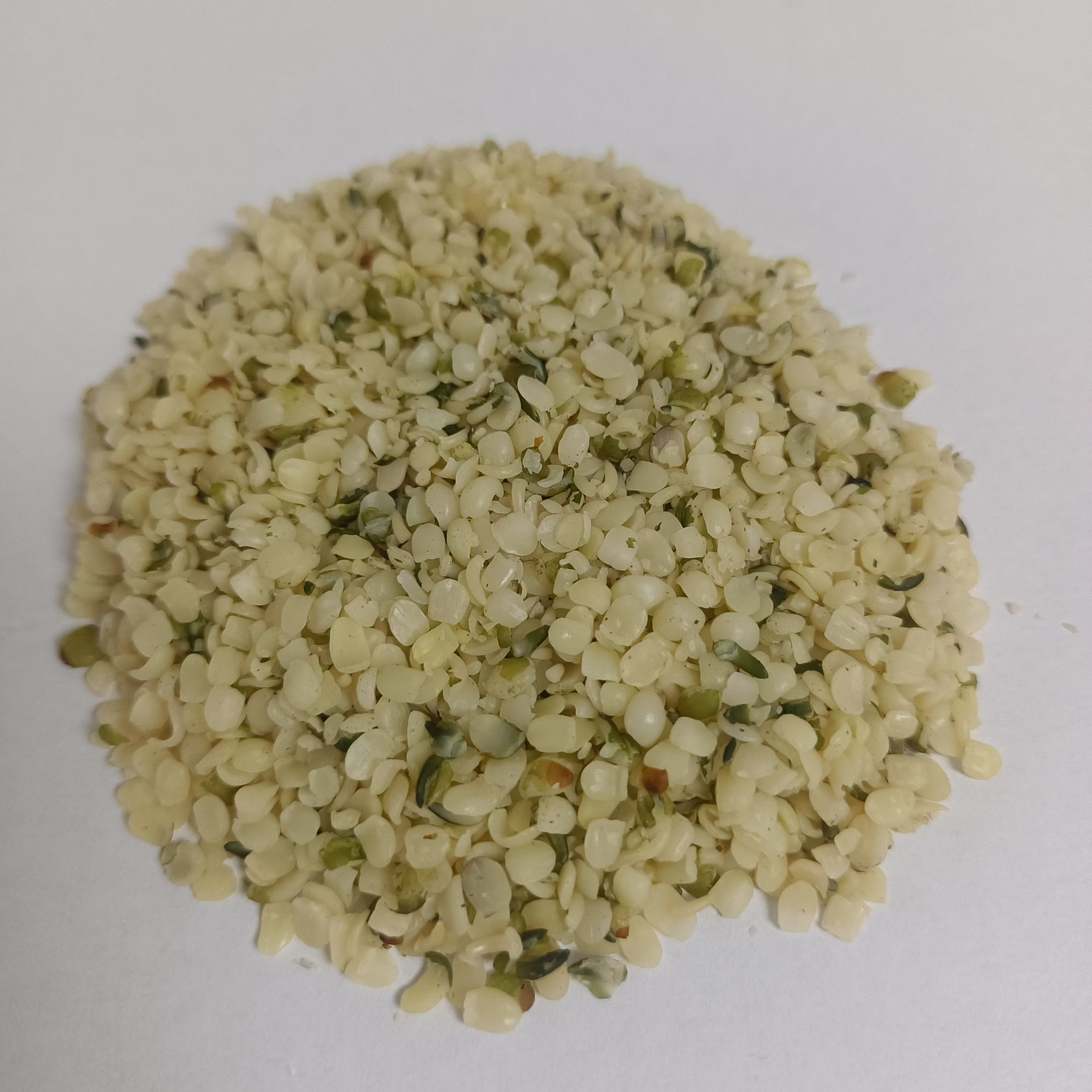
Hemp seed kernels: the purchase specification should name the exact form and grade before sampling begins.
FAQ
Which certificates should travel with each organic hemp seed shipment?
The pack should include the current EU Organic certificate under Regulation (EU) 2018/848 issued by IBD, the USDA NOP certificate where a US organic claim is required, the BRC Global Standard for Food Safety Issue 9 certificate where the buyer’s food-safety requirement calls for it, and current Kosher and Halal certificates where those claims apply. The certificate of analysis, packing list, invoice and transport document should identify the same lot and product form.
What should a hemp seed specification include?
It should include the exact product form and grade, organic status, the relevant certificate pack, the certificate of analysis requirements, sampling and testing method, packaging and labeling, and the accept, retest or reject rule. For protein powder, state whether the grade is 70% or 75%. For all forms, state the packaging format, such as bulk or 25 kg woven bags, and the lot-marking requirement.
How should EU food distributors evaluate an organic hemp seed supplier?
Start with the certificate pack and the supplier’s ability to link it to the exact product and lot. Then review the supplier’s process controls: GMP-standard workshops, BRC-compliant processing steps, own order farming system, factory and farm arrangements, third-party laboratory testing and after-sales support. Senqi Food presents these controls together with export experience across more than 20 countries, but the distributor should still verify the documents for the specific product and shipment.
Can a rejected hemp seed lot be retested?
It can be retested only if the purchase terms provide for it. The procedure should name the laboratory, the sample source, the split-sample method, the decision deadline and who pays. A retest does not automatically overturn the original decision; it must follow the agreed procedure and be recorded with the chain of custody.
What MOQ and lead time should a buyer plan for?
Senqi Food lists a 500 kg MOQ and a 10 to 20 day lead time. Treat those figures as planning inputs and confirm them on the PO, because product grade, packaging and order schedule can affect the commercial terms. The acceptance schedule should still be agreed before the order is released.
Can Senqi Food support OEM/ODM and provide a sample?
Senqi Food lists OEM/ODM capability and customization that includes logo, hulled or unhulled industrial hemp seeds, dried and unroasted product, THC content below 0.3%, and bulk or 25 kg woven bag packaging. Buyers can request a lot-specific specification sheet, a current certificate pack and a sample before finalizing the PO. For a printable reference, the Senqi Food brochure is available here: Senqi Food brochure.
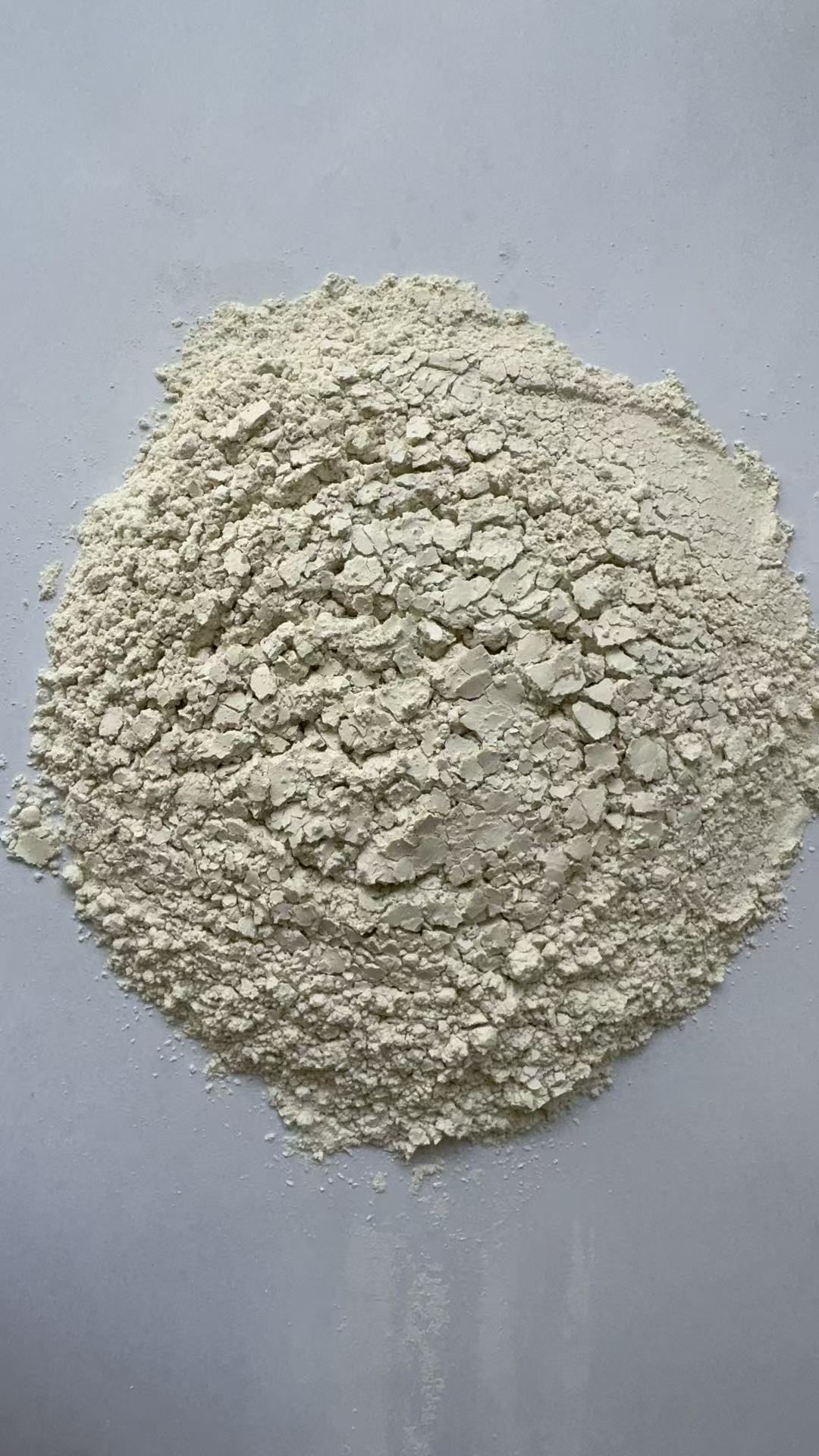
Protein powder sample: ask for the exact grade and the lot certificate of analysis before setting the acceptance rule.
Next step for buyers: build the purchase specification, sampling plan and certificate checklist before the next hemp seed PO. A current supplier brochure and product reference can help the internal review, while the lot-specific documents remain the basis for acceptance.
Conclusion
The right time to define acceptance criteria is before the PO, not after the lot is on hold. Name the exact hemp seed form and grade, write measurable specification lines, agree the sampling and laboratory method, attach the certificate pack to each shipment, and decide in advance how a retest or rejection will be handled. Then verify the supplier controls behind the documents: GMP-standard workshops, BRC-compliant processing steps, own order farming, two factories and two planting farms, third-party laboratory testing, professional after-sales support and export experience across more than 20 countries.
For EU food distributors, the organic certificate is not a formality. EU Organic under Regulation (EU) 2018/848, USDA NOP, BRC Global Standard for Food Safety Issue 9, Kosher and Halal evidence should be checked for product scope, site, validity and lot linkage. That document discipline, combined with a clear receiving workflow, turns a potential rejection argument into a controlled acceptance decision. Senqi Food, whose official site is Senqi Food, can be reviewed against that same criteria set before the next organic hemp seed order is placed.
This article is commercial guidance for buyer-supplier planning, not legal advice. Certificate requirements and import rules should be confirmed with the buyer’s compliance adviser and the relevant authorities for the destination market.
Have Questions or Need More Details?
Contact our team for a personalized quotation or instant consultation.
Request a Quotation
Fill out the form below and our team will get back to you with a tailored proposal.
WhatsApp Direct Chat
Prefer to chat in real-time? Message us on WhatsApp for instant assistance & quick answers.
- Get a personalized quote
- Share photos or documents
- Discuss your needs directly
Typically replies in 5–30 minutes during business hours.