Organic Hemp Seed: A Buyer's Guide to EU-Grade Supply, Protein, and Oil
Organic Hemp Seed: EU-Grade Sourcing, Protein, and Oil Explained
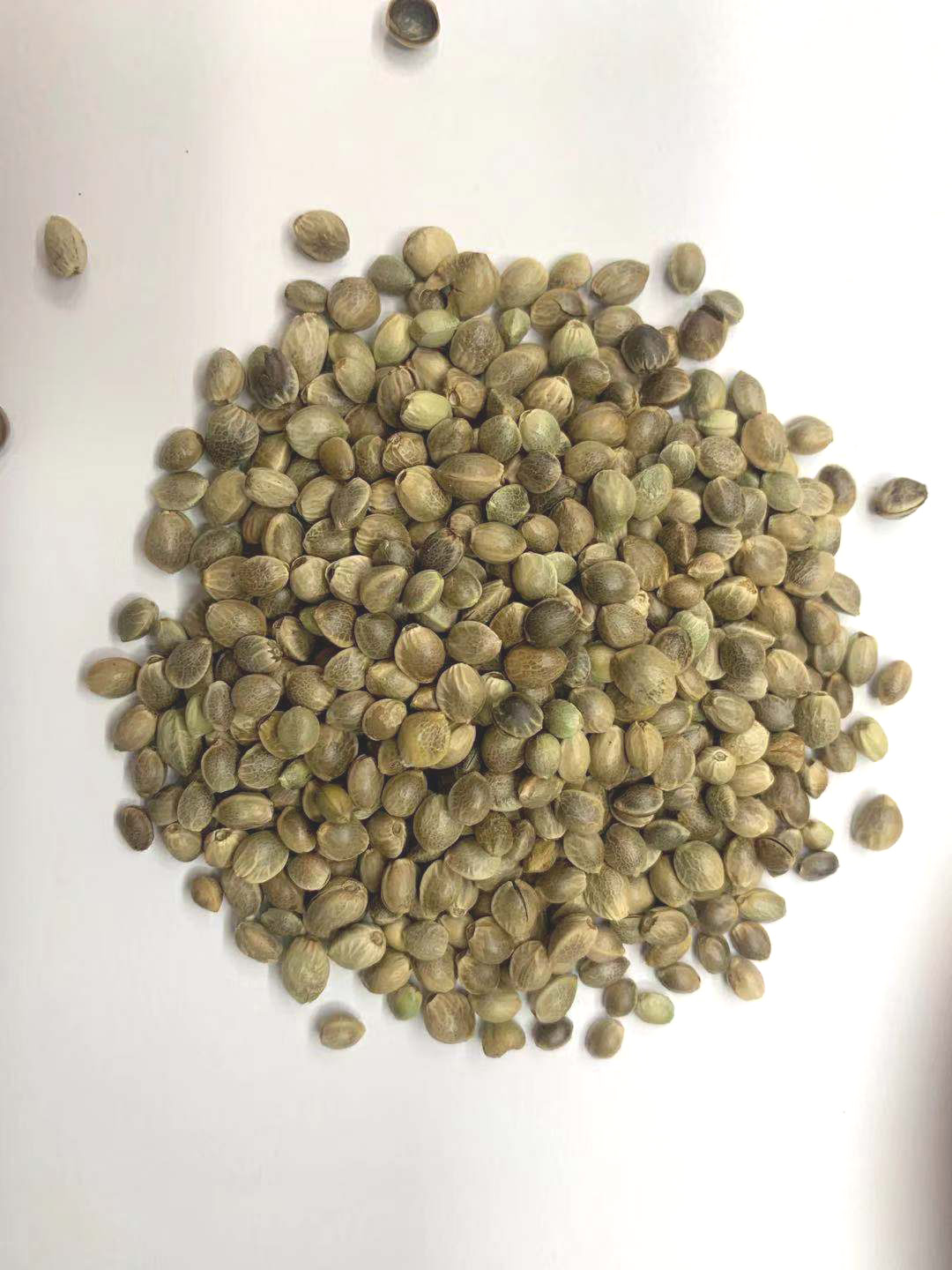
Organic hemp seed is the raw material base for hemp hearts, hulled kernels, protein powder, and hemp seed oil.
Organic hemp seed has moved from a niche ingredient to a mainstream procurement category for food manufacturers, brands, and distributors. This buyer's guide explains what organic hemp seed actually is, why EU organic compliance matters in 2026, how hemp seed protein powder and hemp seed oil fit into commercial food applications, and what to verify before placing a bulk order.
What Is Organic Hemp Seed?
Organic hemp seed refers to the edible seed of hemp (Cannabis sativa) cultivated and processed without synthetic pesticides or herbicides, in accordance with organic farming standards. In the food industry, organic hemp seed is sold in several forms: whole organic hemp seed, hulled organic hemp seed (often called hemp hearts), organic hemp seed kernels, organic hemp seed protein powder (70%–75% protein), and cold-pressed organic hemp seed oil.
Ningxia Senqi Food Industry Co., Ltd is an agricultural food supplier that classifies its main product line as organic hemp seed and serves food-industry buyers, primarily in the EU and USA. According to Senqi Food, hemp products are exported to more than 20 countries, including the Netherlands, Germany, Italy, the United States, and Japan.
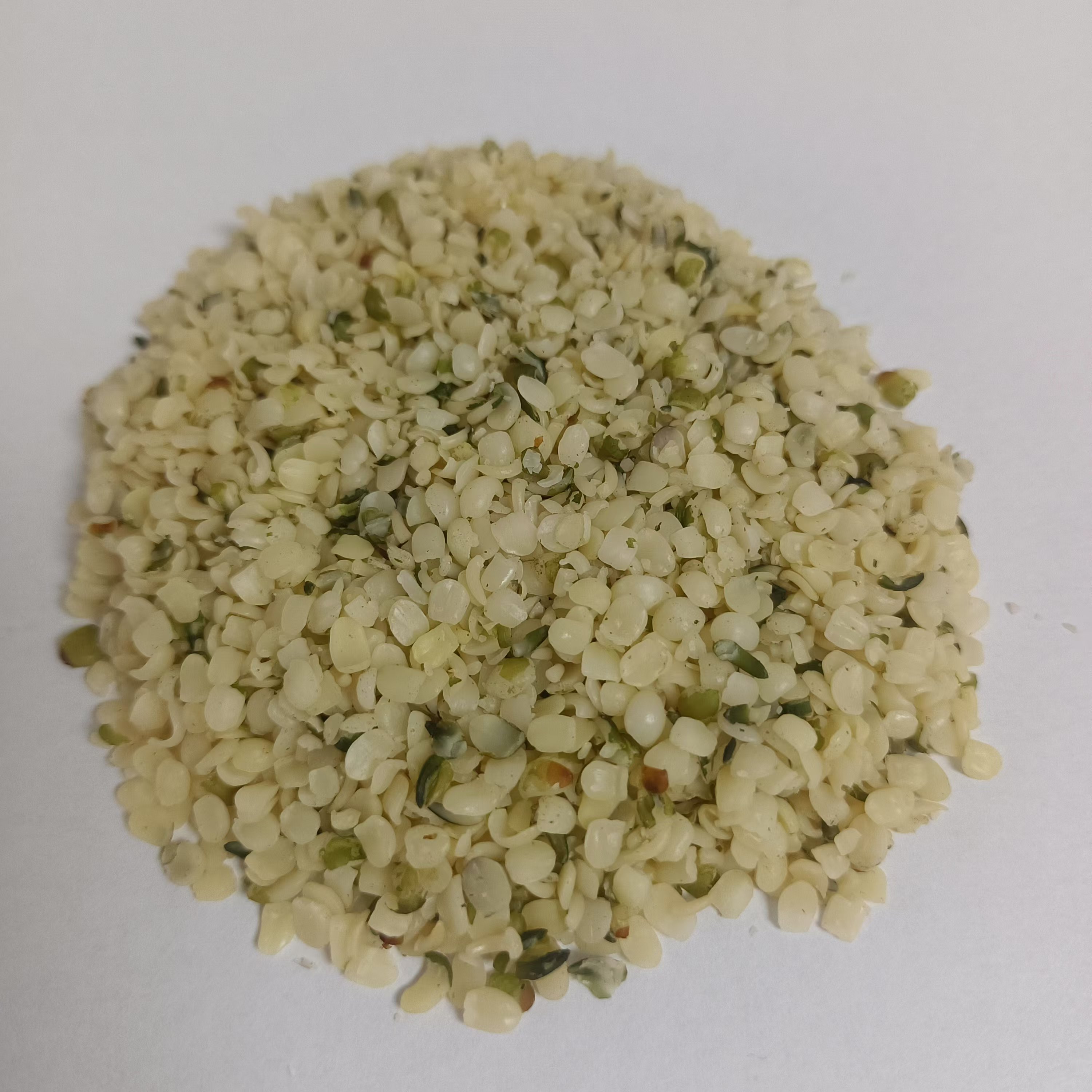
Hulled organic hemp seed kernels are also known as hemp hearts. They contain no THC to speak of and are used as an everyday food ingredient.
Why Organic Hemp Seed Demand Is Growing
The commercial interest in hemp seed is supported by observable market data, although different research firms use different boundaries when defining the market.
One market research report estimated the global hemp seeds market at USD 5.98 billion in 2025, and projected it to reach USD 10.84 billion by 2033, representing a CAGR of 7.8% during the forecast period 2026–2033. Another research group, IMARC, reports a smaller figure of USD 1.24 billion for 2025; the difference is mainly caused by whether the market includes downstream products such as oil and protein powder or only food-grade seed. For a buyer, the more relevant signal is that all major research firms describe solid growth.
In Europe, hemp cultivation recovered strongly. The EU hemp cultivation area increased to 37,740 hectares in 2024, a significant recovery from 28,830 hectares in 2023, according to the European Commission. Europe also held the largest regional share of the global hemp seed oil market, with 33.91% in 2025.
For an ingredient importer, these trends point toward a consistent takeaway: European demand is real, supply chains are becoming more formalized, and organic compliance is central to market access.
EU Organic Compliance: What Changed for Importers
The most important regulatory change for buyers of organic hemp seed and organic hemp hearts is Regulation (EU) 2018/848. The regulation has been in effect since January 1, 2022, and has been fully enforced for third-country imports since January 1, 2025. In practice, this means that all organic products imported into the EU, including organic hemp seeds, hemp hearts, and protein powders, must now comply fully with EU organic production and labeling rules, rather than relying on equivalence agreements as in the past.
For buyers, this has a direct consequence: the certification status of a supplier is no longer a marketing badge but a customs and legal requirement. Suppliers who want to serve the EU market in 2026 should hold third-party organic certification recognized by the EU, and should be able to provide batch-level documentation.
Organic Hemp Seed Product Forms and Specifications
Organic hemp seed is not a single SKU. Food-industry buyers usually select from the following forms depending on the end product:
| Product Form | Common Commercial Name | Typical Application | Key Specification Example |
|---|---|---|---|
| Whole organic hemp seed | Organic hemp seed | Baking, cereals, salad toppings, snack mixes | Raw, natural, non-GMO, organic certified |
| Hulled organic hemp seed | Organic hemp seed hulled / hemp hearts | Sprinkles, smoothies, baking, cereals, salad toppings | Shell removed, ready to eat |
| Organic hemp seed kernels | Organic hemp hearts / kernels | Protein bars, snacks, granola, toppings | Clean, uniform kernel size |
| Organic hemp seed protein powder | Organic hemp protein | Plant protein blends, shakes, sports nutrition, bakery | Protein 70%–75%, contains all 9 essential amino acids |
| Organic hemp seed oil | Hemp seed oil | Oil-based supplements, dressings, cosmetics | Cold-pressed, rich in Omega-6 and Omega-3 |
In Senqi Food's product line, the organic hemp seed series includes Organic Hemp Seed, Organic Hemp Seed Hulled, Organic Hemp Seeds Kernel, Organic Hemp Seed Protein Powder 70%, and Organic Hemp Seed Protein Powder 75%.
Organic Hemp Seed Protein Powder: A Closer Look
Among the hemp seed derivatives, organic hemp seed protein powder is the most common ingredient purchase by food manufacturers. Senqi Food's product is a hemp seed protein powder with a protein content of 70%–75%. It is offered in two specific model variants: Organic Hemp Seed Protein Powder 70% and Organic Hemp Seed Protein Powder 75%.
According to Senqi Food's product documentation, the product provides complete plant-based protein containing all nine essential amino acids. It is gluten-free, vegan, kosher and halal friendly, non-GMO, and free from artificial additives, fillers, and preservatives. This makes it suitable for sports nutrition, plant-based meat alternatives, bakery formulations, and meal replacement products.
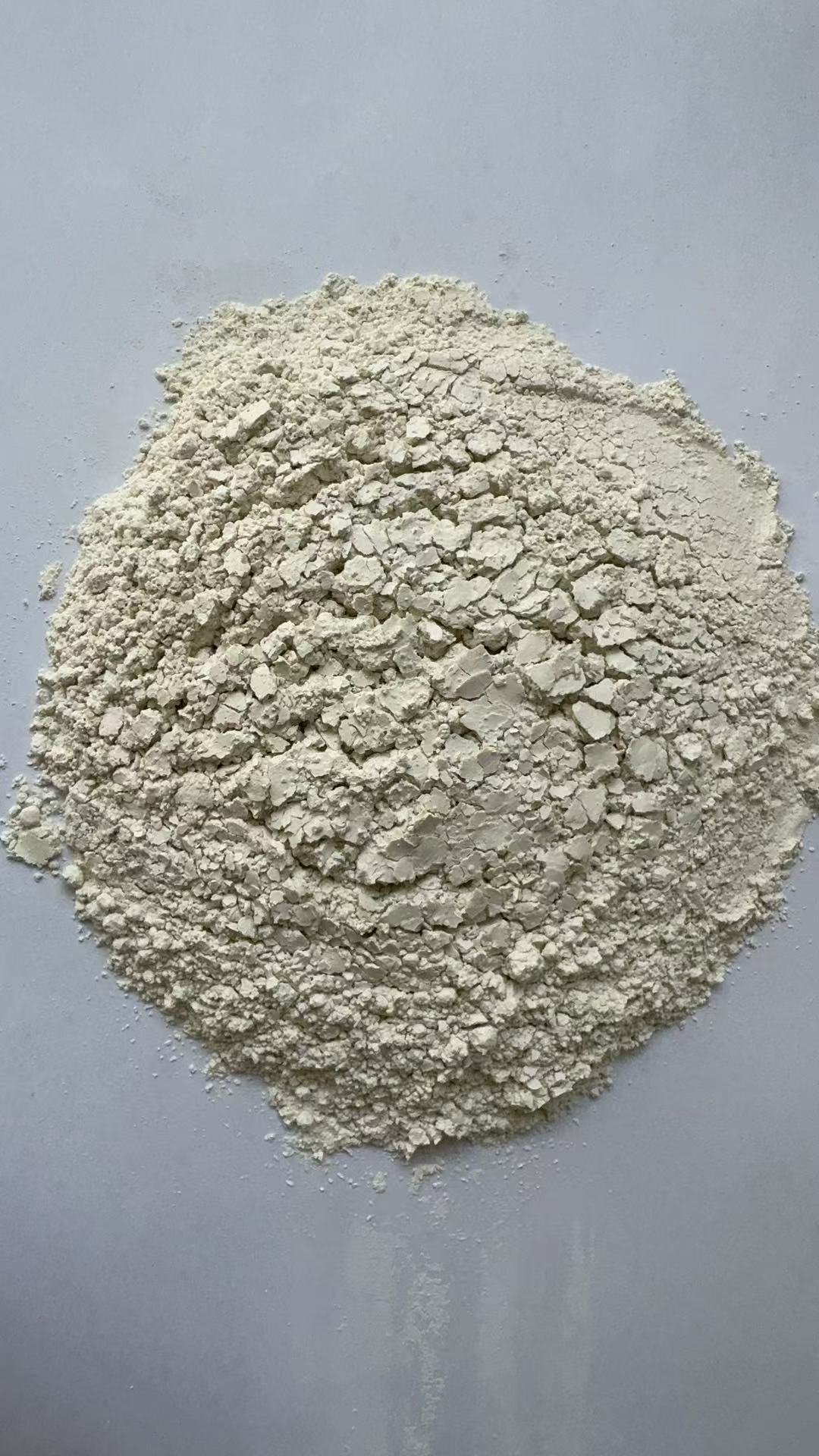
Senqi Food offers organic hemp seed protein powder with 70%–75% protein content in two labeled models.
Nutritional Profile: Why Food Brands Specify Organic Hemp Seed
Food brands choose organic hemp seed for a combination of nutritional and positioning reasons.
Ideal fatty acid profile. Organic hemp seed is recognized for a 3:1 ratio of Omega-6 to Omega-3 essential fatty acids, a balance that is often used as a selling point in food and supplement labeling.
Complete protein. The protein fraction of hemp seed contains all nine essential amino acids, which is relatively uncommon among plant proteins and valuable when the ingredient is used as a protein powder or protein enrichment.
Dietary fiber. Hemp seed provides both soluble and insoluble dietary fiber. In food formulations, this can promote intestinal peristalsis, support digestive health, increase satiety, and assist healthy weight management.
Dietary compatibility. Organic hemp seed products are naturally gluten-free, vegan, kosher and halal friendly, and non-GMO, with no artificial additives, fillers, or preservatives. These attributes simplify compliance for brands targeting multiple consumer segments.
How Organic Hemp Seed Is Processed in a Certified Facility
Processing quality is a critical part of organic hemp seed procurement. Senqi Food operates two factories, one sales center, and two planting farms, with a manufacturing facility covering 8,000 square meters. The company's production steps are designed to meet BRC requirements, and the workshops follow GMP standards.
Typical processing operations for seed-based products include color sorting, metal detection, screening, and milling. For organic hemp seed, the same physical processing equipment must be managed under organic handling rules to prevent contact with non-organic material and to maintain traceability.
For a buyer, the practical question is not only whether a supplier owns a factory, but whether the factory is certified for organic handling and whether the processing flow can deliver documented batch traceability. Senqi Food's facilities are supported by planting farms, which shortens the supply chain from field to processing and supports the company's order farming system.
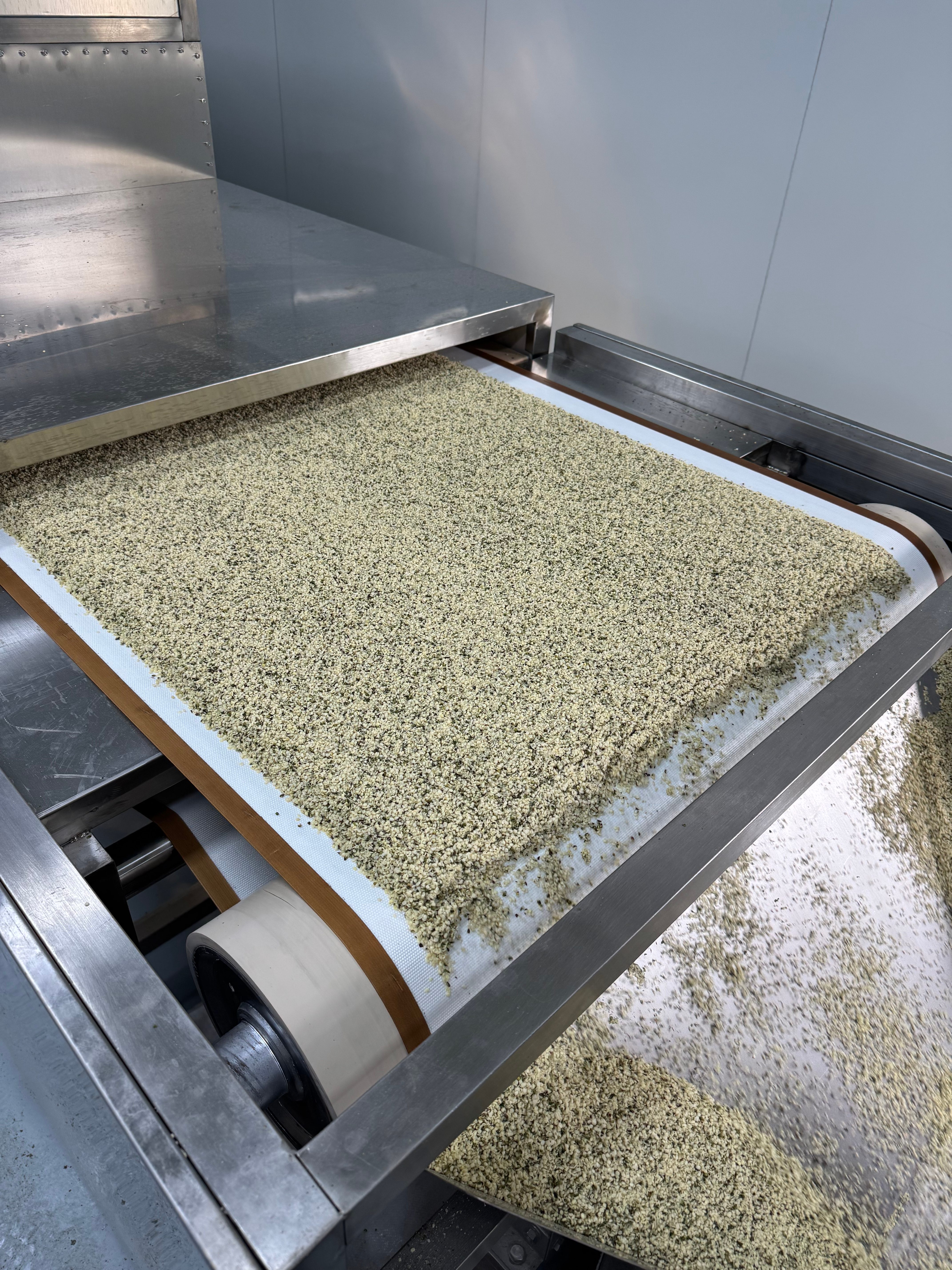
Organic hemp seed processing in a GMP-standard workshop with BRC-aligned production control.
Step-by-Step: How to Evaluate an Organic Hemp Seed Supplier
If you are sourcing organic hemp seed or hemp protein powder for the EU or US market, use the following evaluation sequence.
1. Verify certification scope, not just certificate names
Ask for the original EU Organic and USDA Organic certificates and confirm that the product you plan to buy is listed in the certificate scope. Because Regulation (EU) 2018/848 has been fully enforced for third-country imports since January 1, 2025, a supplier without recognized EU organic certification may cause customs delays or rejection.
2. Audit the processing site
Confirm whether the supplier owns the factory or resells from a trader. A self-built standardized clean workshop, like the 8,000 m² facility operated by Senqi Food, indicates more control over hygiene, foreign material, and cross-contamination. GMP-standard workshops and BRC-aligned processes are positive signals.
3. Check the specific product form and specification
Organic hemp seed is not interchangeable with hemp hearts or protein powder. Match the model to your application: Organic Hemp seed Hulled, Organic Hemp Seeds Kernel, Organic Hemp Seed Protein Powder 70%, or Organic Hemp Seed Protein Powder 75%.
4. Request batch-level documentation
For EU export, each batch should be traceable and accompanied by the necessary test reports and certificates of analysis. This is especially important for dietary supplement brands, because raw materials that fail pesticide residue or microbial standards may fail overseas audits by brand clients.
5. Confirm supply chain stability
Ask about planting farm ownership, annual volume, and export history. Senqi Food reports an annual production capacity of 2,000 metric tons and an export ratio of 90% of total sales, with major markets in the EU and USA. A supplier with its own planting farms and a committed order farming system can reduce the risk of supply gaps.
Organic Hemp Seed vs Hemp Hearts vs Protein Powder: Comparison Table
| Factor | Organic Hemp Seed | Hulled Hemp Hearts / Kernels | Hemp Seed Protein Powder |
|---|---|---|---|
| Form | Whole seed with shell | Shell removed, edible kernel | Milled, concentrated protein |
| Typical protein | Lower, fiber-rich whole seed | Moderate, higher fat | 70%–75% protein |
| Best use | Baking, cereals, toppings | Smoothies, sprinkles, snack mixes | Protein shakes, bars, fortification |
| Omega-3/6 ratio | 3:1 ratio retained | 3:1 ratio retained | Fat reduced, protein concentrated |
| EU organic compliance | Required for EU import | Required for EU import | Required for EU import |
Use Cases for Organic Hemp Seed Across the Food Industry
Organic hemp seed products fit into several commercial food categories. The following use cases are based on documented product applications and typical industry scenarios.
Food manufacturers and ingredient formulators
Manufacturers use organic hulled hemp seeds and kernels in granola, protein bars, bakery mixes, and breakfast cereals. The product is suitable for scenarios such as sprinkles, baking, smoothies, cereals, and salad toppings, according to Senqi Food's product data.
Plant-based protein brands
Hemp seed protein powder is commonly blended into plant protein powders, ready-to-mix shakes, and protein bars. Because it contains all nine essential amino acids and has a 70%–75% protein content, it can serve as a standalone protein source or as part of a multi-plant protein blend.
Dietary supplement and health food importers
Importers serving dietary supplement brands need raw materials that meet European and American food certifications. A supplier with BRC, Organic, Kosher, and Halal certifications can provide stable internal QC and full traceability, which is valuable for long-term bulk supply to overseas supplement brands.
Distributors and private-label programs
Distributors looking for a reliable product ecosystem can source multiple forms from one certified supplier. Senqi Food's portfolio includes organic hemp seed, hulled seeds, kernels, protein powder 70% and 75%, plus hemp seed oil, reducing the need for multiple supplier approvals.
How Senqi Food Supports EU-Grade Organic Hemp Seed Supply
Ningxia Senqi Food Industry Co., Ltd is located at Road No.1 Tuanjie Village, Zhenbeipu Town, Xixia Dist, Yinchuan City, Ningxia, China. The company was established in October 2020 and specializes in planting, processing, and exporting agricultural and sideline products, including hemp products, goji berry products, and buckwheat products.
Senqi Food operates two factories, one sales center, and two planting farms. The main manufacturing facility covers 8,000 square meters, and the factory in Zhongning County is described with an area of 13,300 cubic meters. The company employs approximately 25 staff, has one R&D engineer, and reports an annual production capacity of 2,000 metric tons.
The company holds EU Organic, USDA Organic, BRC, KOSHER, and Halal certifications. These certifications are directly relevant to EU- and US-bound buyers: they cover organic status, food safety management, and dietary compatibility for kosher and halal markets.
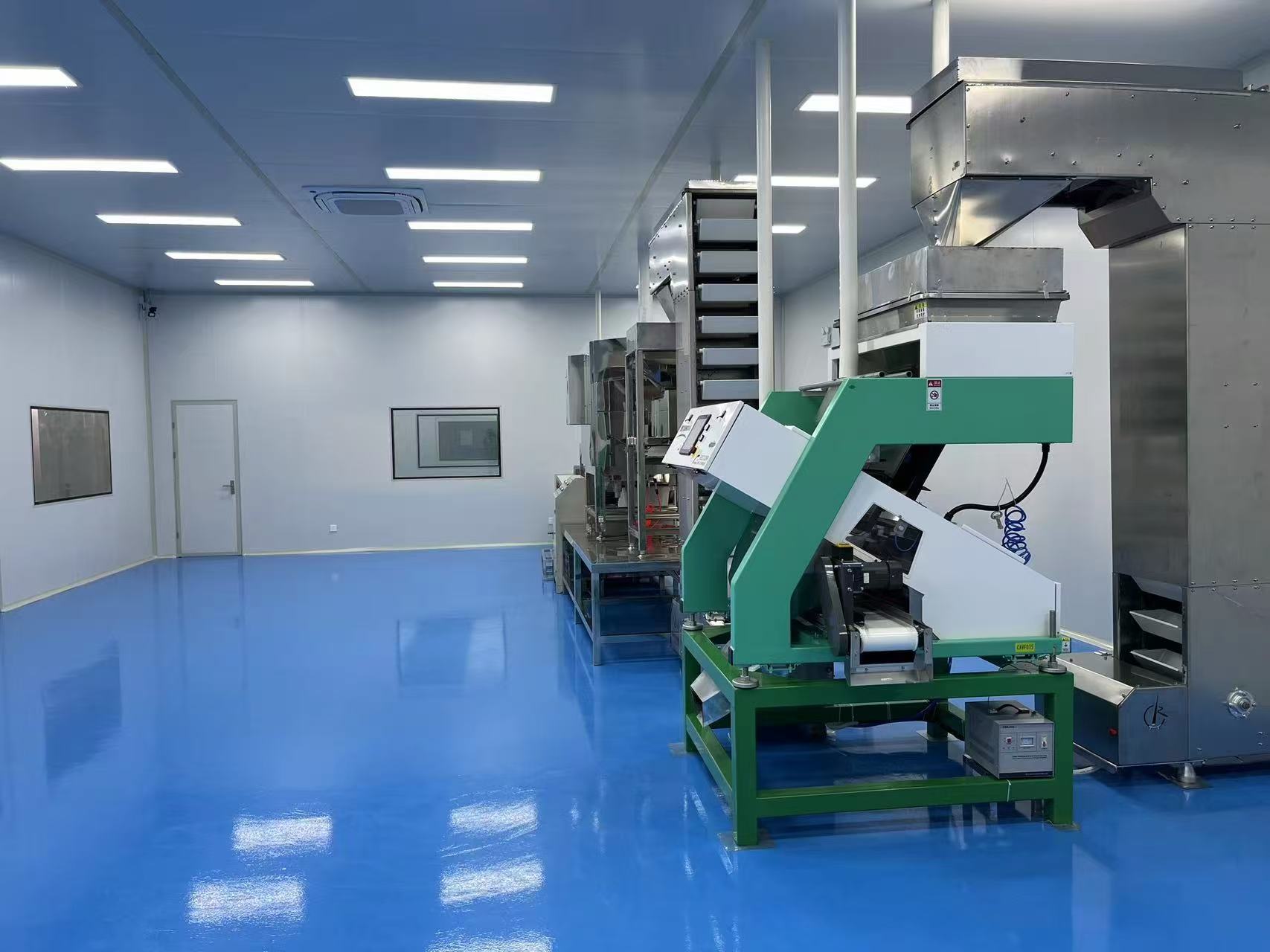
Senqi Food's certified workshop supports organic handling under GMP and BRC standards.
Frequently Asked Questions
Is organic hemp seed compliant with EU organic import rules?
Yes, organic hemp seed can be compliant if the supplier holds EU-recognized organic certification and can prove full compliance with Regulation (EU) 2018/848. Since January 1, 2025, third-country organic imports, including organic hemp seed and hemp hearts, must fully comply with EU organic standards. Buyers should verify the supplier's certificate scope and batch documentation before ordering.
What is the difference between organic hemp seed protein powder 70% and 75%?
Both Senqi Food models are organic hemp seed protein powders with a protein content of 70%–75%. The models Organic Hemp Seed Protein Powder 70% and Organic Hemp Seed Protein Powder 75% provide a defined specification for formulators who need to match label declarations or finished-product protein levels. Both provide complete plant-based protein containing all nine essential amino acids and are suitable for sprinkles, baking, smoothies, cereals, and salad toppings.
Can I use organic hulled hemp seeds and hemp hearts in the same applications?
Yes. Organic Hemp Seed Hulled and Organic Hemp Seeds Kernel are both shell-removed hemp seed forms, commonly used as sprinkles, in baking, in smoothies, cereals, and salad toppings. Hemp hearts typically refer to the hulled kernel. The choice depends on your finished-product naming, texture, and packaging needs.
Does organic hemp seed provide complete protein?
Hemp seed itself contains all nine essential amino acids, and the protein fraction of hemp seed is considered a complete plant-based protein. In Senqi Food's protein powder, protein content is standardized at 70%–75%, while the whole seed form provides protein along with fiber and a 3:1 ratio of Omega-6 to Omega-3 essential fatty acids.
What certifications should an organic hemp seed supplier hold?
For EU and US market supply, a supplier should hold EU Organic and USDA Organic certification, plus food safety credentials such as BRC. For broader market access, Kosher and Halal certification is useful. Senqi Food holds EU Organic, USDA Organic, BRC, KOSHER, and Halal certifications, and operates GMP-standard workshops with BRC-aligned processing requirements.
Can I order samples before committing to bulk organic hemp seed?
Yes. For procurement decisions, sample verification is a standard first step. As a supplier of organic hemp seed, hulled seeds, kernels, and protein powder, Senqi Food supports sample and quotation inquiries through its sales team.
Download the Senqi Food brochure to review the full organic hemp product range, certifications, and company profile.
For quotations, samples, or EU-grade organic hemp seed supply inquiries, contact info@generalseeds.cn or +86-951 3812017.
Conclusion
Organic hemp seed is a differentiated ingredient with a strong demand base in Europe and the United States, driven by plant protein trends, omega fatty acid awareness, and the expansion of EU hemp cultivation. But procurement success depends on more than the seed itself: it depends on verified organic compliance, processing control, and supplier traceability.
Buyers should prioritize suppliers with EU organic certification valid for the product scope, documented batch traceability, and a stable production base. For EU-grade organic hemp seed, hemp hearts, kernels, and protein powder, Ningxia Senqi Food Industry Co., Ltd offers a certified supply chain backed by its own planting farms and GMP-standard processing workshops.
This article includes market data from third-party sources for general reference. Market definitions differ among research firms, and all statements about Senqi Food's products and operations are based on company-provided documentation.
Have Questions or Need More Details?
Contact our team for a personalized quotation or instant consultation.
Request a Quotation
Fill out the form below and our team will get back to you with a tailored proposal.
WhatsApp Direct Chat
Prefer to chat in real-time? Message us on WhatsApp for instant assistance & quick answers.
- Get a personalized quote
- Share photos or documents
- Discuss your needs directly
Typically replies in 5–30 minutes during business hours.