Hemp Seed 101: What Food Buyers Need to Know About Organic Forms and EU Supply
Hemp Seed 101: What Food Buyers Need to Know About Organic Forms and EU Supply
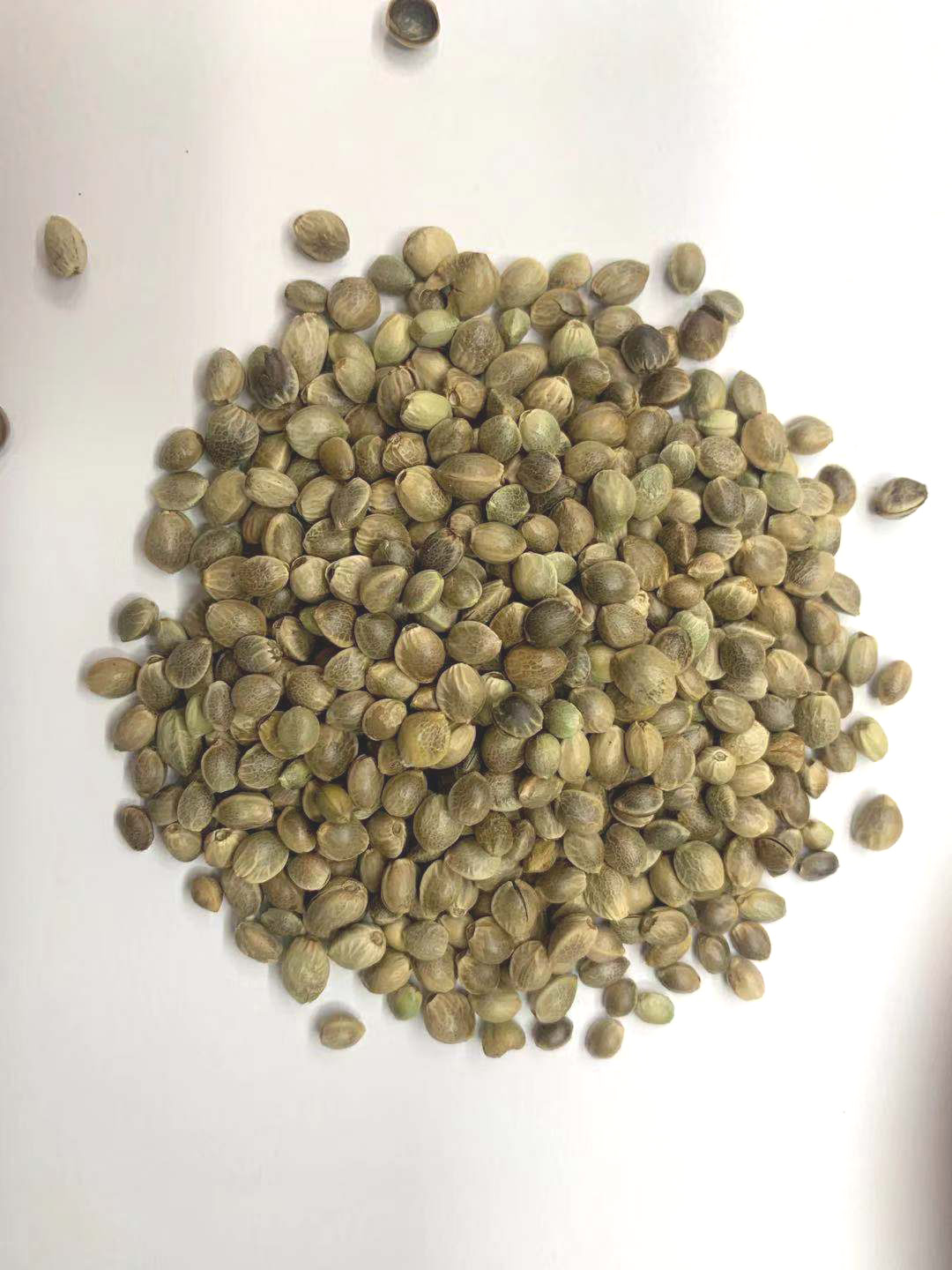
Hemp seed is the edible seed of agricultural hemp and is sold as a food ingredient in several forms: whole organic hemp seed, hulled organic hemp seeds, hemp seed kernels or hemp hearts, organic hemp seed protein powder, and organic hemp seed oil. For food industry buyers, the term hemp seed is therefore not one raw material but a product family with different textures, nutritional functions, processing steps and label requirements.
This introductory guide is written for the early research stage. It explains basic definitions, published market context, available product forms, typical food uses, and the EU organic compliance questions that new buyers commonly need to answer before they compare suppliers.
Short answer: Hemp seed is a plant-based ingredient used by food manufacturers in whole, shelled and powdered forms. Certified organic versions are grown without synthetic pesticides or herbicides and, for EU sales, must be documented under the EU organic rules. The sections below break down each point in more detail.
Why hemp seed terminology confuses first-time food buyers
The first challenge for buyers is not the seed itself but the range of nearby terms. A brief search shows organic hemp seed, organic hulled hemp seeds, organic hemp hearts, organic hemp seed kernels, hemp seed protein and hemp seed oil. These labels are easy to mix up when checking specifications, certificates and applications.
The second challenge is verification. Many companies describe themselves as hemp seed suppliers, but their capability differs. Some are traders, some are processors, and some are certified manufacturers with their own cleaning, sorting, hulling and milling lines. Early-stage buyers who ignore this difference risk comparing prices and documents that refer to different operating realities.
The third challenge is regulatory complexity. For buyers in Europe, organic hemp seed must meet EU organic standards, and since the full enforcement of the EU organic import regime for third-country suppliers in 2025, the burden of proof on documentation has become clearer. This guide is meant to reduce that uncertainty.
Hemp seed market context: published data for 2025 and 2026
Several market research firms publish estimates that help explain the growing commercial interest in hemp seed. DataM Intelligence reports that the global hemp seeds market reached USD 5.98 billion in 2025 and is projected to reach USD 10.84 billion by 2033, with a CAGR of 7.8% for the 2026 to 2033 forecast period. This estimate covers food-grade seed products such as whole seed, hulled seed, oil and protein powder.
Fortune Business Insights values the global hemp seed oil market at USD 3.26 billion in 2025, with Europe holding the largest regional market share at 33.91%. Grand View Research values the global hemp protein powder market at USD 217.3 million in 2025 and notes that the organic segment is expected to achieve a CAGR of 5.98% through 2031. These reports indicate that two things are happening at once: consumer demand is expanding, and buyers are paying more attention to organic and higher-protein formats.
On the supply side, the European Commission reports that EU hemp cultivation area increased to 37,740 hectares in 2024, a recovery from 28,830 hectares in 2023. For importers, EU-grown hemp is still only part of the supply picture. Non-EU manufacturers continue to serve European food brands when they can demonstrate certified organic production, traceability and export documentation.
What is organic hemp seed as a product category?
Organic hemp seed belongs to a food category certified under organic agricultural rules. In the product documentation provided by the Ningxia-based manufacturer Senqi Food, whole organic hemp seed is identified by the model name Organic Hemp seed. It is made from hemp seed and is intended for the food industry.
The same supplier documentation states that certified organic hemp seed is pesticide and herbicide free, non-GMO, and free from additives, fillers and artificial preservatives. It also states that the product complies with EU organic standards.
Product forms of organic hemp seed used by food companies
Hulled organic hemp seeds and hemp seed kernels
Hulled organic hemp seed is listed in the Senqi Food range as the model Organic Hemp seed Hulled. Organic hemp seed kernels are listed as the model Organic Hemp Seeds Kernel. In retail and foodservice packs, these shelled forms are often described as hemp hearts or hemp seed kernels.
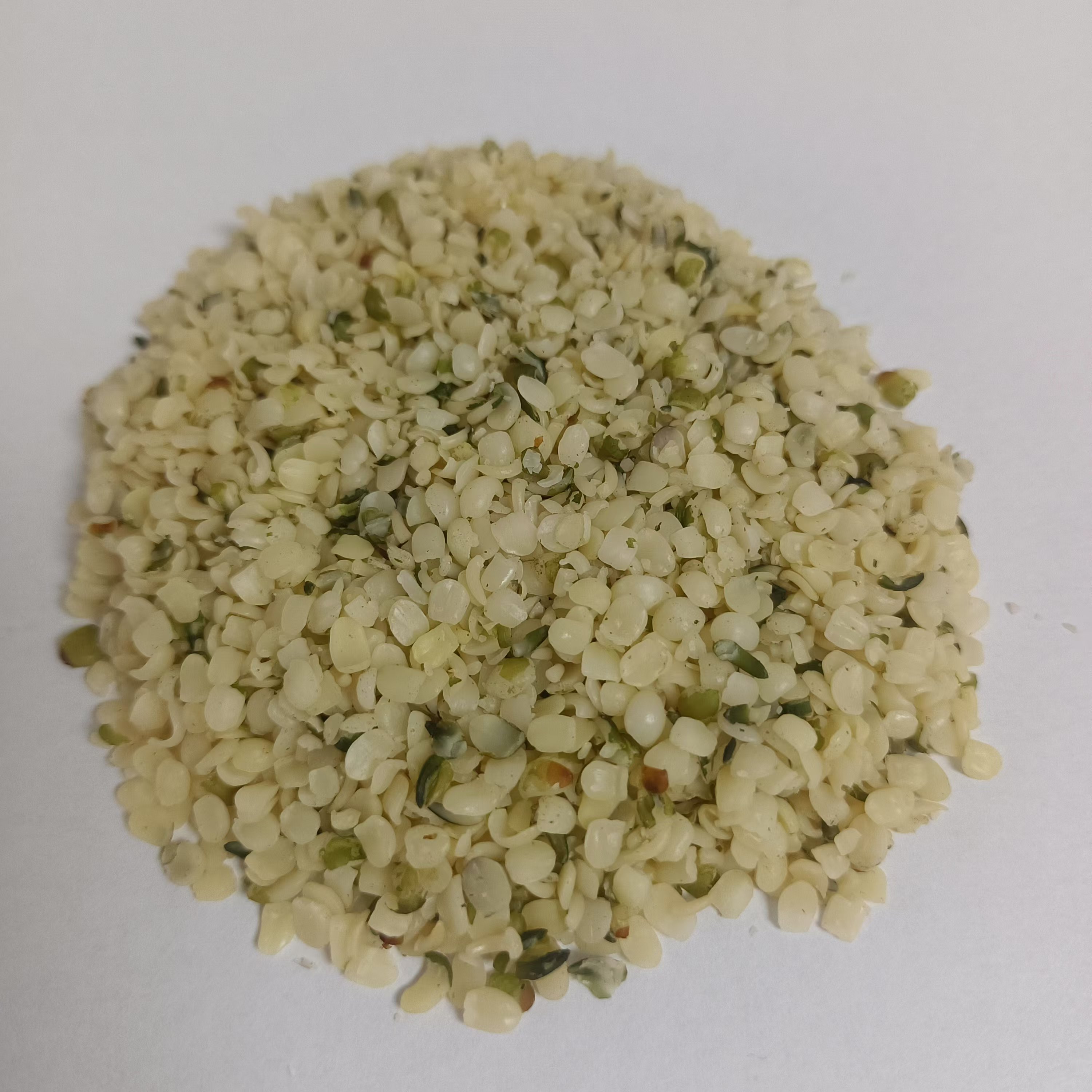
The supplier product sheet lists this category as suitable for sprinkles, baking, smoothies, cereals and salad toppings. The same documentation states that organic hemp seed contains a 3:1 ratio of Omega-6 to Omega-3 essential fatty acids and provides high dietary fiber that supports digestion and long-lasting satiety.
Organic hemp seed protein powder
Organic hemp seed protein powder is a more processed format. Senqi Food's technical specification describes it as a hemp seed protein powder with protein content of 70% to 75%. Two standard models are listed: Organic Hemp Seed Protein Powder 70% and Organic Hemp Seed Protein Powder 75%.
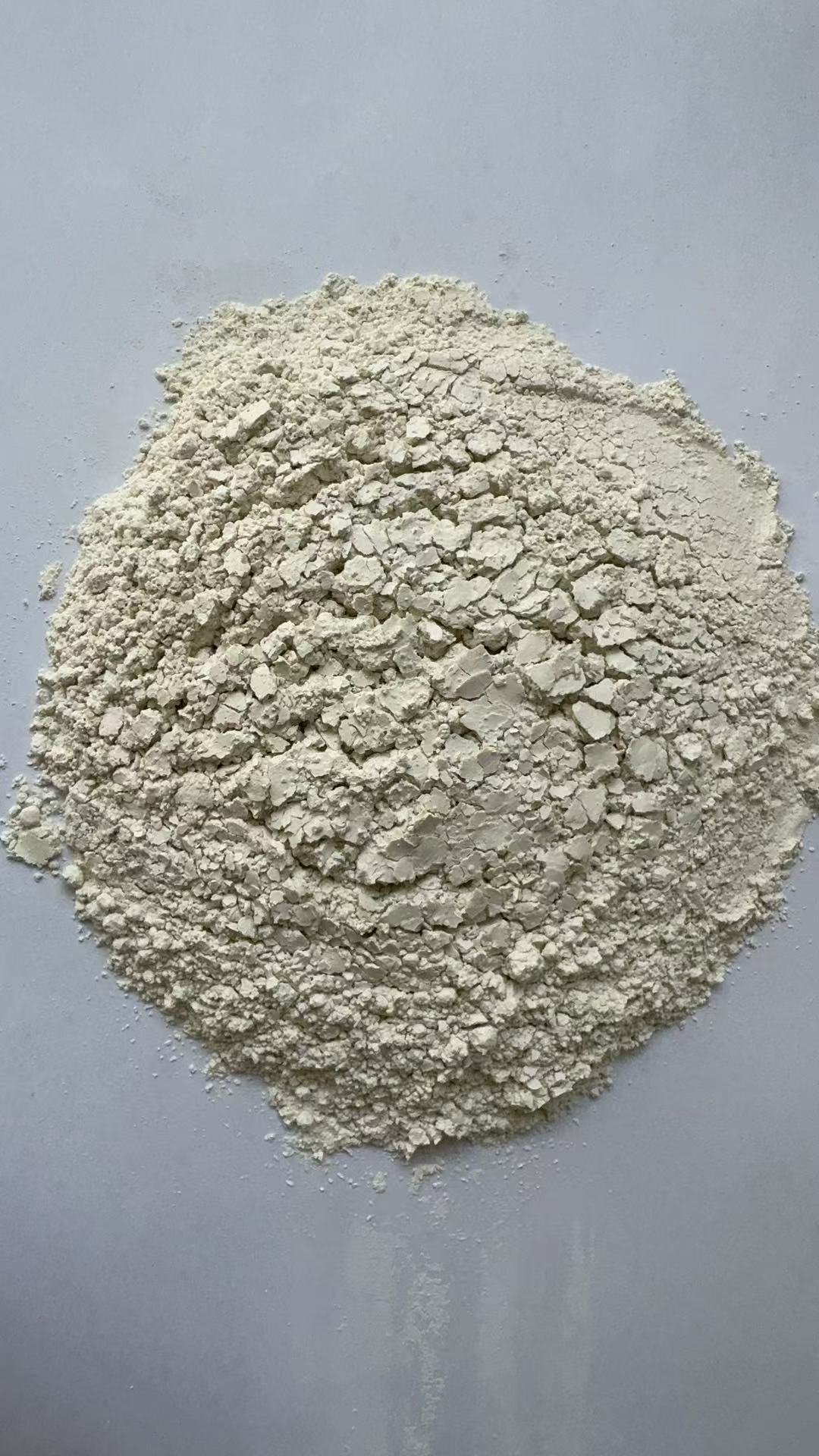
The specification states that it provides complete plant-based protein containing all 9 essential amino acids. It is gluten-free, vegan, kosher and halal friendly. Buyers can use the same food scenarios cited for the whole category: sprinkles, baking, smoothies, cereals and salad toppings.
Organic hemp seed oil
Organic hemp seed oil is part of the broader product scope mentioned in the same product category list. Verified industry data also estimates the global hemp seed oil market at USD 3.26 billion in 2025, with Europe as the largest regional market. For buyers, the commercial role of oil is different from seed or protein powder because oil is normally used as a liquid ingredient or finishing oil rather than a dry topping.
Supplier example: what a certified manufacturer profile looks like
Senqi Food, whose legal name is NINGXIA SENQI FOOD INDUSTRY CO., LTD, is one example of a Chinese manufacturer with an EU- and US-oriented export business. The company was established in 2020 and is located at Road No.1 Tuanjie Village, Zhenbeipu Town, Xixia District, Yinchuan City, Ningxia, China.
The company reports two factories, one sales center and two planting farms. Its manufacturing facility covers 8,000 square meters. Annual production capacity is 2,000 metric tons, export business accounts for 90% of total sales, and major markets include the EU and USA. Senqi Food exports to more than 20 countries, including the United States, Canada, the Netherlands, Germany, Italy and Japan.
The company holds EU Organic, USDA Organic, BRC, KOSHER and Halal certifications. In its public company profile, it also states that factory workshops are managed to GMP standards and that processing steps comply with BRC requirements.
For a buyer, this type of profile is useful because it combines planting-related supply, factory processing and international certification under one entity. A manufacturer with its own farm base and certified facility can normally provide more complete traceability than a trader with no physical processing operation.
Step-by-step: how organic hemp seed supply is organized and checked
Step 1. Verify the farming and raw material base
A certified supply chain should begin with controllable planting. The company profile of Senqi Food mentions an order farming system and planting farms. For buyers, this matters because organic status and residue control are determined before the seed reaches the factory.
Step 2. Check cleaning, sorting and processing equipment
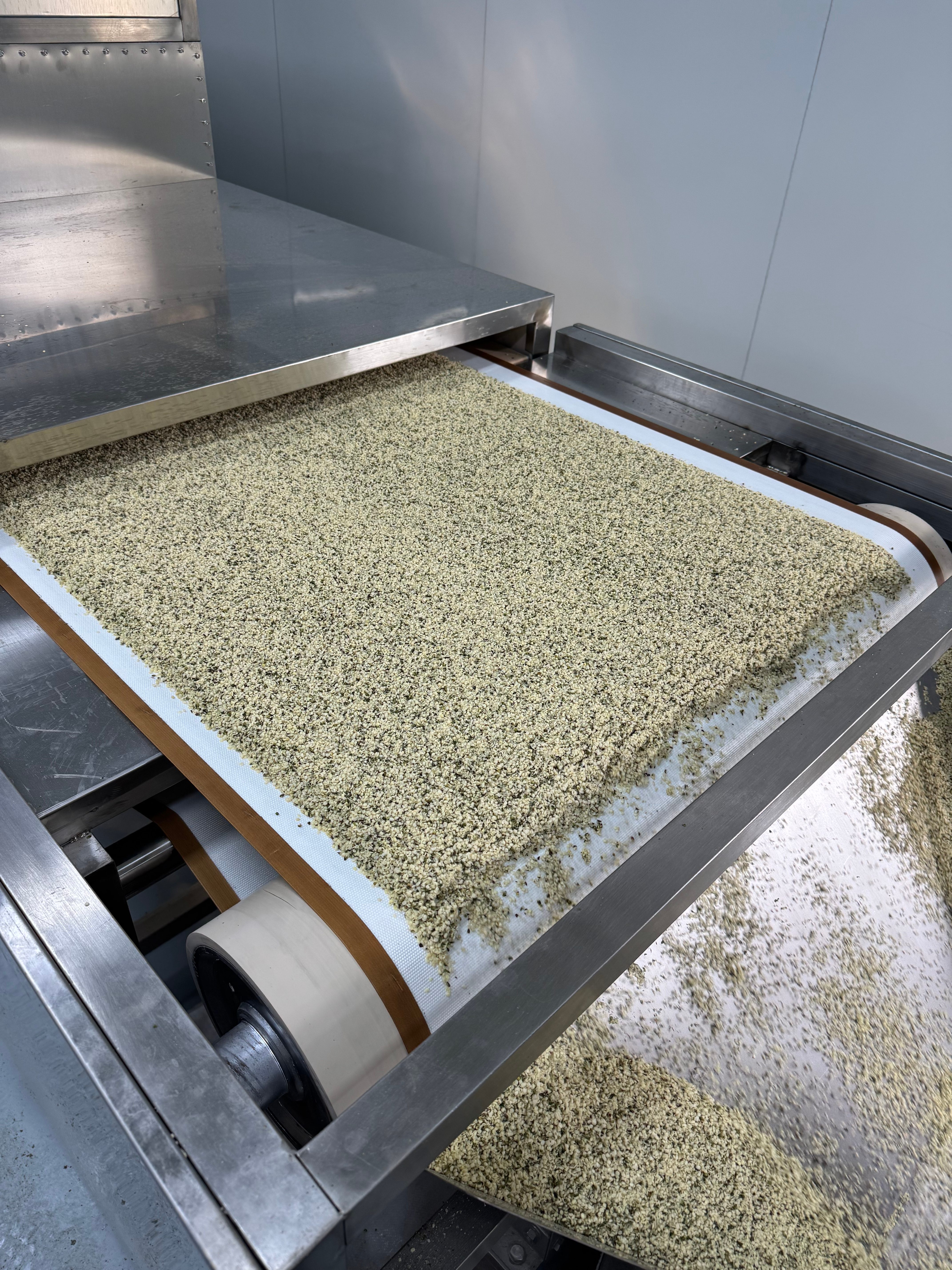
Food-grade hemp seed requires dry and clean storage and processing conditions. The processing environment for this product category normally uses color sorting machines, metal detectors and screening or milling equipment to remove foreign material and produce consistent particle sizes.
Step 3. Confirm the product form and specification
The buyer must decide whether the project needs whole seed, hulled seed or kernels, protein powder, or oil. Protein content matters mainly for protein powder, where Senqi Food documents 70% to 75% protein. For whole and hulled seed, the specification focus shifts to shell removal rate, color, moisture, and organic compliance.
Step 4. Review certification documents and batch reports
For EU-bound products, the manufacturer should be able to show EU organic certification that is valid and that covers the product category. The risk-management guidance in the source material recommends that buyers verify the original international certificates and their validity in advance, and request batch-wise self-inspection reports from suppliers. This step is especially important when goods may be inspected by overseas customs or by the buyer's own quality audit team.
Step 5. Plan export documentation and supply continuity
Manufacturers with stable internal quality control can provide complete test documents for export customs clearance. Buyers should also review the supplier's ability to maintain volume over time. In the case of Senqi Food, annual capacity of 2,000 metric tons and export markets concentrated in the EU and USA describe a business structured around repeated international orders.
Common food use cases for organic hemp seed
The main food uses cited in the supplier documentation are simple, recognizable applications: sprinkles, baking, smoothies, cereals and salad toppings. These formats allow food brands to add hemp seed without creating a new consumption habit.
- Bakery and cereal products: hemp seed can be mixed into dough, granola, muesli or topping mixes.
- Beverages and smoothies: hulled hemp seed and hemp protein powder can be blended into drinks.
- Plant-based protein foods: hemp protein powder provides complete plant-based protein containing all 9 essential amino acids, which is relevant to vegan or vegetarian formulations.
- Snack and salad toppings: kernels or hemp hearts can be sprinkled on salads, yogurt, oatmeal and ready-to-eat snacks.
- Dietary supplement raw materials: when importing raw materials for supplement or functional food projects, buyers typically source from manufacturers with clean workshops, international certifications and batch-level test documentation.
Formats at a glance: comparison table
| Format | Supplier model or category | Key documented facts | Common food use |
|---|---|---|---|
| Whole organic hemp seed | Organic Hemp seed | Made from hemp seed; intended for the food industry; organic and compliant with EU organic standards | Sprinkles, baking, cereals, smoothies, salad toppings |
| Hulled organic hemp seed | Organic Hemp seed Hulled | Shelled form of the same organic seed category | Sprinkles, baking, cereals, smoothies, salad toppings |
| Organic hemp seed kernels / hemp hearts | Organic Hemp Seeds Kernel | Shelled kernel form; described for the same food scenarios | Snacks, toppings, baking and cereal applications |
| Organic hemp seed protein powder | Organic Hemp Seed Protein Powder 70% and 75% | Protein content 70%-75%; complete plant-based protein with all 9 essential amino acids; gluten-free and vegan friendly | Protein drinks, smoothies, baking and fortified foods |
| Organic hemp seed oil | Category listed in product scope | Specification parameters are not published in the current product sheet | Liquid food ingredient or finishing oil |
Buyers should note that the oil row reflects the supplier's category scope rather than a detailed model specification. Request the current technical datasheet before comparing oil in the same way as seed or protein powder.
Frequently asked questions about hemp seed
What does EU organic hemp seed mean for an importer?
EU organic hemp seed is hemp seed produced, controlled and documented according to the European organic framework. Regulation (EU) 2018/848 established the current EU organic rules and has applied since 1 January 2022. For imports from third countries, full compliance with EU organic standards has been required since 1 January 2025. An importer should therefore check that the supplier's EU organic certificate is current, covers the correct product scope, and reflects the transition from equivalence to strict EU compliance.
Which international certifications should a hemp seed supplier hold?
A supplier serving EU and US food clients can be expected to hold EU Organic and USDA Organic certification. For food safety and manufacturing quality, BRC certification is also common. If the target market includes kosher or halal consumers, the supplier should hold KOSHER and Halal certificates. As an example, Senqi Food states that it is certified by EU Organic, USDA Organic, BRC, KOSHER and Halal.
What are the main product forms of organic hemp seed?
The main commercial forms are whole organic hemp seed, hulled organic hemp seeds, hemp seed kernels or hemp hearts, organic hemp seed protein powder, and organic hemp seed oil. Whole seed keeps its outer shell, while hulled seed and kernels are shelled forms. Protein powder is processed to increase protein concentration, and oil is extracted for liquid food applications. Each form has a different role in a food formulation.
What is organic hemp seed protein powder?
Organic hemp seed protein powder is a food product made by processing hemp seed into a concentrated powder. In the Senqi Food product specification, it is described as having protein content of 70% to 75%. The documented properties include complete plant-based protein with all 9 essential amino acids, a gluten-free profile, vegan-friendly status, and no artificial additives or preservatives.
How can an importer verify a hemp seed manufacturer before ordering?
Start by checking the supplier's original international certificates and confirming that they are valid and that the product scope is correct. Then verify whether the supplier has a self-built standardized clean workshop and stable internal quality control. Buyers should request batch-wise self-inspection reports and complete export test documents. Suppliers with only basic domestic qualifications may fail audits by overseas customs or brand clients. Once these checks are complete, a sample request is the normal next step.
Where to start when sourcing organic hemp seed
If this is your first sourcing project, start with the product form that matches your label claim. For a simple visible ingredient, hulled hemp seed or hemp seed kernels are the most intuitive formats. For a protein-focused product, request the specification for organic hemp seed protein powder with protein content of 70% to 75%.
Need a manufacturer overview for your team? Senqi Food provides a downloadable company brochure with factory, certification and product information.
Email: info@generalseeds.cn
Phone: +86-951 3812017
Website: www.generalseeds.cn
Have Questions or Need More Details?
Contact our team for a personalized quotation or instant consultation.
Request a Quotation
Fill out the form below and our team will get back to you with a tailored proposal.
WhatsApp Direct Chat
Prefer to chat in real-time? Message us on WhatsApp for instant assistance & quick answers.
- Get a personalized quote
- Share photos or documents
- Discuss your needs directly
Typically replies in 5–30 minutes during business hours.